A Different Kind of Food & Wine: The Mangialonga Levanto

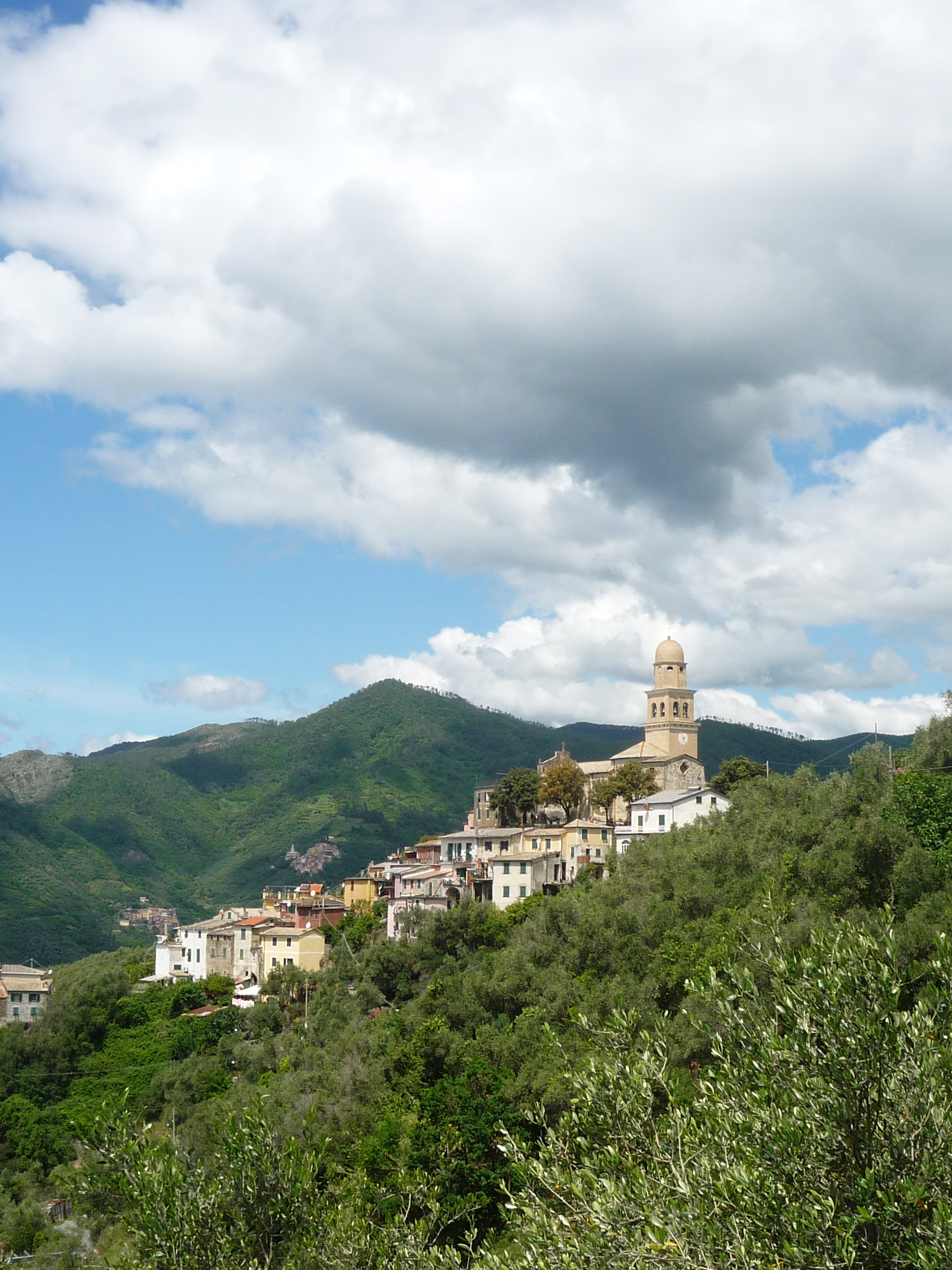
VOGELE Approaching Legnaro

Last year was the 33rd year of Aspen Food & Wine; for Levanto’s Mangialonga it was a 20th anniversary. Aspen’s Food & Wine is attended by 5,000 foodies from around the world and celebrity chefs. Levanto had one day of 1,200 hikers, a lot of Nonna’s in the kitchen, and local Ligurians enjoying food, hiking and occasional dancing with friends, family and strangers.

Levanto is a gateway to the Cinque Terre, Italy’s famed five towns clinging to the cliffs and coastline in the Liguria Region. It’s the first train stop just north of the Cinque Terre, has a larger town center and feels a little less touristy. Like its Cinque Terre neighbors, it’s both a coastal resort town and great base for hiking. It boasts a large beach you can surf at, is surrounded by 16 medieval villages and plenty of trails for exploring.

I found the Mangialonga Levanto while researching festivals and planning a trip with my friends Ann & Robin. When traveling I like activities that are a bit off the beaten track providing a deeper cultural and local food experience. I suggested we participate in this festival, they agreed it was not to be missed and a great way to cap off our 10 days in Italy. We bought our tickets the first day they went on sale and two months later we were in the second group departing Piazza Cavour donning our official blue handkerchiefs while heading for the hills to begin our food & wine odyssey.

The groups were spread 20 minutes apart but by the second and third stops they had blended in a slow-motion trek through the valley above Levanto. The brochure published by Consorzio Ochhio Blu listed the official distance of the trek at approximately 15 km. The well-marked path was strung together by a combination of local roads, cobblestone streets and lush wooded paths filled with wildflowers and even wild asparagus. We walked through lemon trees, olive groves and grape vines; past donkeys, gardens and a farmer hard at work. Every turn of the path revealed a different, beautiful vista of the sea, charming villages and verdant hillsides.
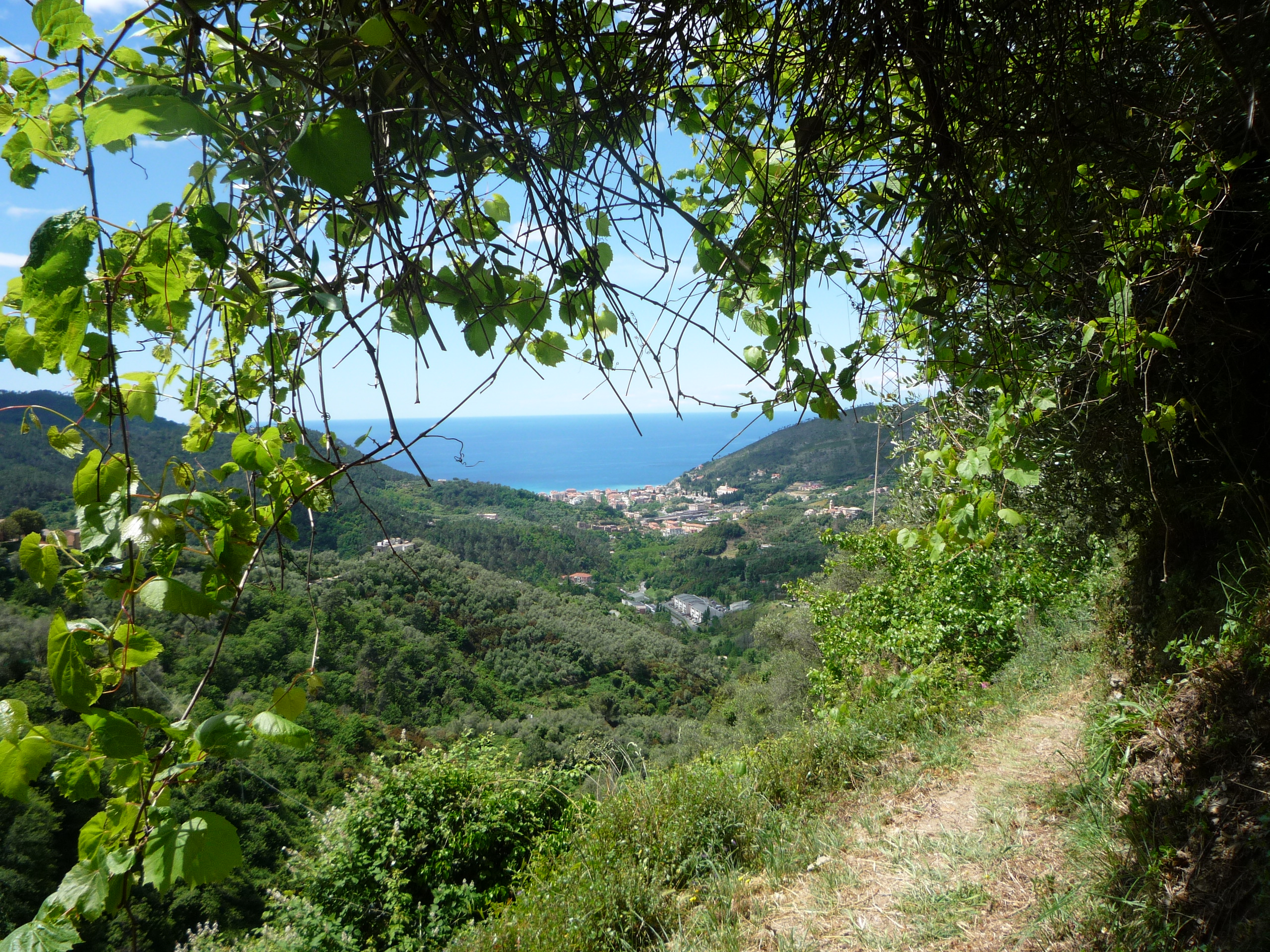
VOGELE Legnaro to San Bartolomeo2Each May this festival alternates between 2 paths connecting different combinations of 16 medieval village communities. The menu is published several weeks ahead of time, each village offering one part of the 9-courses served by locals. The anchovy soup was the biggest surprise; it was a thick combination of anchovies, tomatoes, olive oil and fresh herbs. As tasty as the soup was, the ravioli with meat sauce and stuffed lettuce leaves tied for my first place vote. We also enjoyed the other offerings of focaccia with sage, bread with minced lard, chickpea fritters (all agreed the best we had during our stay on the Ligurian coast), fava beans with salame and castagnaccio (a very dense and not particularly sweet chestnut desert).

VOGELE Stuffed lettuce leaves in PastineDJ’s and singers accompanied the food at each stop spinning everything from the 70’s hit “Gloria” to current favorites like PitBull and traditional folk tunes. In total we visited 8 villages working our way back to the Levanto grand finale complete with espresso, cookies, liqueur and a DJ to bring the party full circle into the night. The walk was estimated to take 3.5 hours of actual hiking time; with additional time to eat, drink, enjoy the music and great people watching it took us 5.5 hours start to finish and was well worth the effort.

VOGELE Ravioli with Meat Sauce LegnaroSometimes called Mangialunga (Long Eat), sometimes Mangialonga, it’s a bit like “tomayto” or “tomahto”. Both are correct. Levanto isn’t the only town in Italy to host an event like this, or Europe for that matter. Similar Italian events occur in La Morra, Val Graveglia, Recco, Fivizzano, Badia Prataglia and Paspardo each year. Mendrisio, Switzerland hosts both a spring and winter version. Walking wine and food events in the United States include the “Tahoe City Wine Walk” (California), “Food & Wine Walk of Red Bank” (New Jersey) and “Vintage Redlands” (California); each offering a more flat, condensed version.

Though a newcomer to this type of event, it won’t be my last. Food. Wine. Hiking. It’s the Mind Body Spirit ideal of Aspen & life balance exemplified.

Visit Levanto: Visit Levanto Tourism Site

Mangialonga Information: Consorzio Occhioblu

(Tickets go on sale approximately two months before the event)

Serremaggio in Tuscany

Last year I attended the Serremaggio festival held in Serre Di Rapolano, Tuscany with my friends Ann and Robin. This annual festival transports Serre back in time to its medieval roots.  Processions in historic costumes, a medieval marketplace, traditional food and falconry all set the stage as a 14th century recreation of village life. There are food stalls and entertainment in each neighborhood of the village, excellent dinners are held in historic structures and musicians blowing horns and beating drums into the night.

We attended the “Cena Povera” on the last night of the festival.  A delicious buffet of traditional food at more than reasonable prices, served in the Antico Granaio (antique grain storage warehouse) and we even got to keep the pottery dinner was served in.  While enjoying our candlelit meal in this unique setting, we were serenaded by the musicians as a procession literally circled the hall while we were eating.

Located in central Tuscany at the intersection of Siena, Chianti, Arezzo and Montepluciano, Serre di Rapolano is a small village full of charm and history.  While not as famous as its spa-town neighbor Terme di Rapolano, Serre is set on a hilltop with amazing views, basic necessities and can serve as a great home base for exploring the local area.

Serremaggio Event Information

Serre di Rapolano, Tuscany Map

Photo Credits: All Photos by Lisa M. Vogele

Snake Festival of Cocullo in Abruzzo

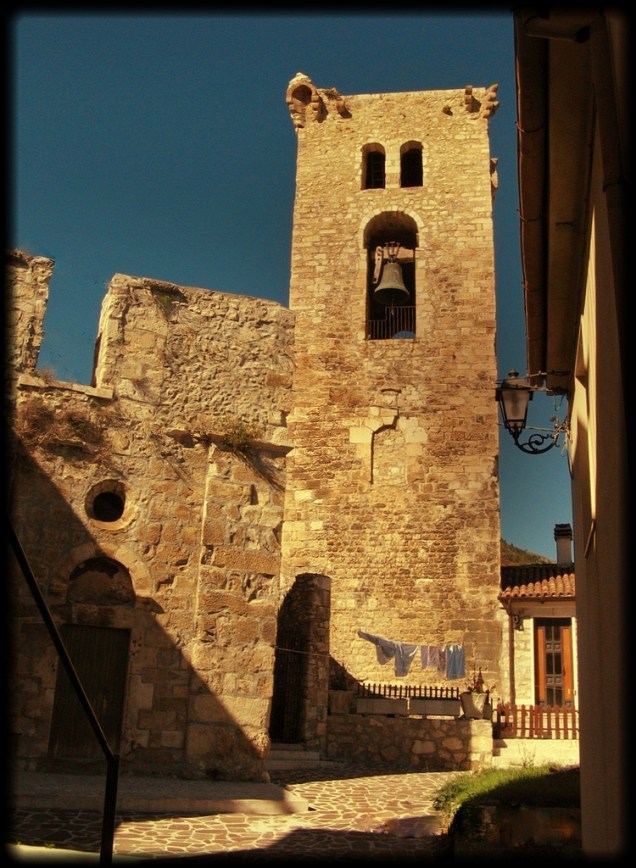
Nestled in the hills west of Sulmona in the Abruzzo region, Cocullo has a population of 250 on any given day.  That number swells to thousands every May 1st when pilgrims from other provinces and people interested in this 985-year tradition converge on the village. The official name of the festival is the Festa dei Serpari di San Domenico (Festival of Snakes of San Domenico). Why snakes? San Domenico is honored for ridding the village of snakes in the 11th century and his statue, draped with these serpents, is paraded through the town for about 1.5 hours.

4587559906_867411526a_b (2)The snake handlers (serpari) start gathering them in March for the May celebration. The snakes used to be housed in clay pots but are now kept in wooden boxes and fed mice and hardboiled eggs in the days leading up to the festival. There are four types of non-venomous snakes used in the procession. The statue with the snakes and its escorts are accompanied by two women dressed in traditional costumes carrying breadbaskets on their head that contain five ciambellati. Ciambellati are local, sweet, round breads that have been blessed by the parish priest and given to the escorts carrying the statue in the procession.
8090565086_60f4cd07b7_b (2)Stands are set up around town to feed the thousands that have descended on the town for the spectacle. There is a fireworks display at the conclusion of the festival. Parking is quite difficult so expect to walk or be shuttled from wherever you park to the edge of town.

Official Cocullo Festival History Page

Google Map Link to Cocullo

Photo Credits:
All Snake Photos: Olga e Zanni via Foter.com / CC BY-ND
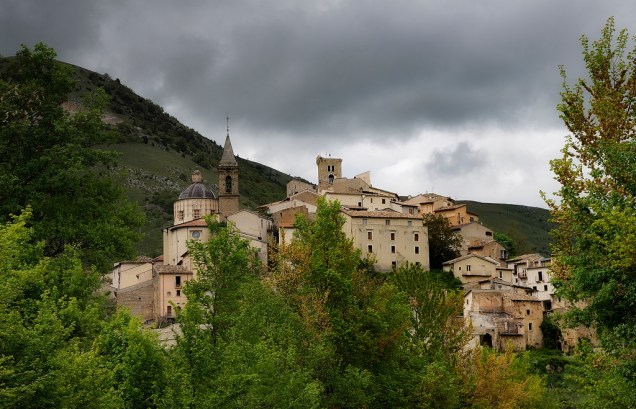
View of Village of Cocullo: paolofefe via Foter.com / CC BY-ND
Streetscape Cocullo: amurrahs via Foter.com / CC BY-ND


gelato! Gelato! GELATO!

If you missed out on Rome’s big birthday bash yesterday, never fear, Gelato is here!  What a more perfect way to ring in spring than a stroll through Piazzale Michelangelo in Florence with a gelato in hand.  This weekend is the start of the traveling Gelato Festival.  Held at various locations throughout Italy and Europe, it’s a must-do for iced treat aficionados.  The festival kicks off this weekend in Florence and then has stops in: Parma, Rome, Naples, Turin, Milan, London, Berlin and Valencia before returning to Florence in September.

Have you always wondered what the difference is between gelato and ice cream? In general, gelato is lower in fat, lower in calories and contains less air than ice cream. The reduction of air gives it a dense, creamy goodness that makes you think you’ve died and gone to heaven. The sugar content is higher than typical ice cream, one of the keys that keep it from freezing solid.  If you’re serious about gelato and would like to open your own shop, you can attend Gelato University at the Carpigiani Gelato University and museum in Bologna, Italy to get your basics down.  Serious about gelato, but not that serious, Carpigiani’s flagship store is located just outside their administrative offices and museum where you can sample a variety of flavors served up by students attending the Gelato University.  Carpigiani has also started offering week-long courses in the United States; check out the link below for their calendar and course offerings.

Can’t make it to Europe? You are in luck! A Gelato World Tour is coming to Chicago, Illinois Memorial Day Weekend.  Sixteen artisanal gelato competitors will be competing for the North American Gelato Title at Millenium Park May 27-May 29.  This is both an industry and public event where hands-on workshops will be offered.  Three finalists will also travel to Rimini in 2017 to compete for “Worlds Best Flavor”. There will also be a West Coast stop in September, location and dates are to be announced.  Follow the links below for information and logistics to attend these two tasty events.

Gelato Festival (Florence, Italy & Europe)

Carpigiani Gelato University

Carpigiani Gelato Museum

Gelato World Tour (including Chicago)

Photo Credits
Gelato with Wafer: Bekathwia via Foter.com / CC BY-SA
Two Cups of Gelato: B.Positive.2014 via Foter.com / CC BY-SA
Gelato Cone: erickgonzalez50 via Foter.com / CC BY-ND
 Piazzale Michelangelo Florence View Photos (all): Lisa M. Vogele
Carpigiani Gelato Musum, Tour & Flagship Store: Aidan M. Vogele, Mark R. Vogele & Lisa M. Vogele

Nine Days of Wild Boar!

Certaldo is the epicenter for all things wild boar this weekend and next.  Cinghiale, or wild boar, is a traditional meat used in Tuscan cooking when it is not running wild and destroying the beautiful yards of villages.  This is a traditional feast offered with four courses for a fixed price.  Typical cinghiale dishes on the menu inclide: appetizers with wild boar salame; first courses of polenta, pappardelle pasta and fresh tortelli with wild boar sauce; second courses with wild boar steak or a wild boar and black olives.  Other traditional and vegetarian items are available for selection if cinghiale or meat are not preferred.  Side dishes include beans, salad or French fries.  The meal is finished with a sweet choice of cantuccini or gelato and topped off with a glass of local wine.

Certaldo is set about 35 miles southwest of Florence in the Tuscan countryside of Italy and is on the regional train line.  There are two parts to Certaldo: medieval Certaldo Alto (high) and modern Certaldo Basso (low); connected by a funicular.  The Sagra del Cinghiale Certaldo takes place on Viale Matteotti in Certaldo basso.  It starts Lunch is served at 12 noon on the weekends and dinner is at 8 pm every night of the festival at Certaldo also has a famous street art festival called Mercantia in July each year.

Cinghiale Indiano
Cinghiale

Map Location Certaldo, Tuscany, Italy

Saga del Cinghiale Certaldo

Pro Loco Certaldo

Photo Credits:

Road to Palazzo Pretorio, Certaldo bongo vongo via Foter.com / CC BY-SA
Palazzo Pretorio (close-up) natureandevents via Foter.com / CC BY
Mercantia Celebration (July) Certaldo francesco sgroi via Foter.com / CC BY
Cinghiale Walter Saporiti via Foter.com / CC BY
Pici with Wild Boar Ragu Pug Girl via Foter.com / CC BY
Pappardelle al Cinghiale karen_neoh via Foter.com / CC BY


66th Ladispoli Artichoke Festival

7431108814_d95073529a_b (2)
Carciofi Romanesco

The Sagra del Carciofo Romanesco in Ladispoli outside of Rome, claims to be the first festival honoring the artichoke in the world.  Ladispoli is just over twenty miles northwest of Rome on the Mediterranean coastline along the ancient Roman road, the Via Aurelia.  Named after Ladislao Odeschalci who founded the city in 1888, Ladispoli a coastal resort town in the Lazio region.  There were settlements in the area since Etruscan times.Started in 1950 to promote artichokes, particularly tourism in Ladispoli, the festival has endured and is held in early April each year over a three day period.

2160339830_ec04030e94_b (2)
Carciofi for Sale

This festival celebrates the Romanesco variety of artichoke, which is globe-shaped and purplish in color.  Leading up to the event, the restaurants in the area highlight the use of artichokes and offer fixed price menus.  Two popular ways to prepare and eat artichokes are Carciofi alla Romana and Carciofi all GiudiaCarciofi alla Romana are stuffed with mint, garlic and parsley and then cooked slowly in olive oil. Carciofi alla Giudia, a classic Roman Jewish dish, they are flattened and deep fried to a golden crispy finish.

The 66th festival runs today thru Sunday. There will be stands for tasting the artichokes as well as musical entertainment and cooking demonstrations.  It’s an easy start or finish to your vacation if you are arriving in Rome via Aeroporto Fiumicino.

Ladispoli, Lazio on Google Maps

Sagra del Carciofo Romanesco info Pro Loco Ladispoli

Photo Credits:
Carciofi Romanesco   Stefano Pellicciari via Foter.com / CC BY-SA
Carciofi for Sale   blucolt via Foter.com / CC BY-SA
Fried Artichokes   fugzu via Foter.com / CC BY
Carciofi alla Giudia   SignorDeFazio via Foter.com / CC BY-SA
Carciofi alla Romana   lisa_shen via Foter.com / CC BY-SA


Fabulous Foodtruck Festival

Last May, after a blitz tour of the beautiful Cinque Terre in the rain, I hopped on a train to Sarzana with my friends Ann and Robin to find the STREEAT food truck festival.  The festival highlights food from various regions of Italy and select foods from other countries.  It felt like a foodie tour of Italy, all wrapped up in a bow on Piazza Matteotti.  I’ve always loved the Ape microtrucks seen throughout Italy.  These “tricked out” Apes in the food truck festival are brilliantly designed to showcase their specialty food.  We took turns retrieving a different Italian dish or dessert from the trucks then sampling and critiquing it. Of course, we enjoyed everything, accompanied by some Italian Spritzes.

Sarzana is at the foot of the less touristy Lunigiana area of southern Liguria. Located between the famed Cinque Terre and Tuscany, the Lunigiana are hills filled with villages, thirty castles and of course, fine food.  It takes its name from Luni, an ancient Roman town that no longer exists except for a few remaining ruins.  One of the highlights in the city of Sarzana is the Fortezza Firmafede, referred to simply as La Cittadella.  Built in 1249, destroyed in the “War of Serrezzana” by Lorenzo de Medici and the Florentines in 1487 then re-built, it’s only a short walk from the train station and worth a visit if you are interested in historic fortifications.

Today is the first day of the 2016 European food truck tour throughout Italy. It begins at Torre Quetta in Bari and will continue on to Langhirano, Mantua, Udine, Padua, Milan, Verona and Genoa on various dates in April – June. The remainder of the schedule, which will continue into fall, has not yet been announced.

#streeat #bari #foodtruck #festival #italy #italyfestivals #foodandfolklore

STREEAT Food Truck Festival Information

STREEAT Food Truck Festival on Facebook

Photo Credits: All Photos by Lisa Vogele at the STREEAT Food Truck Festival in Sarzana, Italy May 2015 @travelwithlisa ; Author of the forthcoming book: Food and Folklore: A Year of Italian Festivals, available Summer 2016.

500 Years of Florentine Fireworks

6477689455_9b07b166a1_b
Oxen Decorated with Flowers

Daytime fireworks, pageantry and excitement surround the centuries old Florentine tradition of Scoppio del Carro.  If you’re in Italy during “Holy Week” you will encounter Easter-related activities in progress in cities and small towns.  Of the many traditions that take place this weekend, the 500-year Florentine Scoppio del Carro is one of the most well-known.  “Scoppio del Carro” literally means explosion of the cart.  A 30-foot-tall antique cart called a Brindellone, also several hundred years old, is hauled by a team of oxen decorated with garlands of spring flowers.  150 people in 15th century dress escort the cart from Porta al Prato to Piazza del Duomo every Easter morning.

2852190382_e1bafcea21_o
Costumed Procession for Scoppio del Carro

Easter Mass is held inside the Cathedral Santa Maria del Fiore (Florence’s Duomo) and at 10:00 AM a fire is lit using three flints brought back from Jerusalem during the First Crusade.  While the ceremony continues inside, the Brindellone is loaded with fireworks and staged outside the door of the cathedral.  A wire from the altar inside is connected to the cart and at 11:00 AM the ceremony reaches its crescendo.  Gloria in Excelsis Deo is sung, a mechanical dove is lit on fire and then it flies down the wire into the cart, igniting the fireworks.  The fireworks display lasts approximately 20 minutes and a successful execution guarantees a good harvest and business in the coming year.

4527974099_6bb2981a38_o
Exploding the Cart in Front of Florence’s Duomo

Official Florence Tourism Website – Event Information

https://player.vimeo.com/video/124600802 <p><a href="https://vimeo.com/124600802">Scoppio del Carro</a> from <a href="https://vimeo.com/user35087318">Storm Nylen</a> on <a href="https://vimeo.com">Vimeo</a&gt;.</p>” target=”_blank”>Scoppio del Carro Video

Photo Credits:
Oxen Decorated with Flowers   www.to-tuscany.com via Foter.com / CC BY-ND
Exploding of the Cart in Front of Florence’s Duomo   moniko moniko via Foter.com / CC BY-SA
Costumed Procession for Scoppio del Carro   Erica Schoonmaker via Foter.com / CC BY-ND


Sweets of San Giuseppe

8705026352_3b1c73098c
Fritelle and White Wine

La Festa di San Giuseppe (Feast of Saint Joseph) is celebrated throughout Italy on March 19th each year. Wherever you are, you’re sure to find some sort of celebration. Traditional dishes and desserts on this day honor the husband of the Virgin Mary.  In the Lombardy region it’s traditional to eat tortelli.  If you’re in the Molise region you’ll sit down to a 13-course meal.  In Apulia you’ll have a similar 13 course meal, but with a peppery twist. In Sicily platters of food are served alongside special breads. As tantalizing as the thought of these large Italian meals are, it’s the desserts that are my main attraction.

114848820_9539fa3e4c_oZeppole, Fritelle or Bigne di San Giuseppe, an Italian donut by any name and I’ll line up to buy some. What’s the difference? Depends on where in Italy you are. If you are in Rome, Tuscany, Umbria and points north, they are called fritelle, made with rice and filled with custard. Further South in Naples, Campania or Sicily, its zeppole you’re looking for. Each have a base of flour, egg, butter and sugar. Bigne di San Giuseppe are deep fried, filled with custard and then rolled in sugar. Zeppole are deep fried balls rolled in sugar or drizzled in honey.

The variety of zeppole in Southern Italy vary even further by region. In Campania they are sprinkled with powdered sugar and use cherries in syrup for decoration. Near Lecce, they may have some grated lemon and are fried or baked. Sicilian zeppole are fried and dressed with orange honey and powdered sugar with cinnamon. In Reggio Calabria they are small cream puffs stuffed with ricotta. The bottom line is if you like sweets, you’ll find them at a Festa di San Giuseppe.  Mangiare dolci!

#zeppole #fritelle #sangiuseppe #19marzo #italianfestivals #italy #dolci

Photo Credits:
Fritelle with White Wine   Salvadonica, Chianti, Tuscany via Foter.com / CC BY
Zeppole with Cherries  Finizio via Foter.com / CC BY-ND
Zeppole in a Cone  arnold | inuyaki via Foter.com / CC BY
Zeppole in Donut Shape   Auntie Katkat via Foter.com / CC BY
Making Zeppole   emilydickinsonridesabmx via Foter.com / CC BY


For the Love of Cheese: 12th Festival del Formaggio

6561495781_980afbcbae_b
Cheeses Ready for Sale

This weekend, the market town of Campo Tures is a haven for Turophiles, connoisseurs and lovers of cheese. Three days full of exhibitions, talks, live cooking demonstrations and cheese tastings. There are five DOP (Protected Designation of Origin) quality-controlled cheeses from this region: Asiago, Grana Padano, Provolone Valpadana, Spressa delle Giudicarie, and Stelvio/Stilfser; all are cheeses made with cow’s milk. 100 cheese exhibitors from the Alto Adige region, other parts of Italy and other countries will exhibit close to 1,000 types of cheeses. Though the festival is only three days, restaurants in town will feature cheese tasting menus throughout the next week.

11437681613_33b48419af_b
The Dolomites

Campo Tures lies amid the impressive landscapes of Italy’s Dolomite Mountains. Though the town is within Italy, it is primarily German-speaking. Located along the border with Austria, it was part of the Austro-Hungarian Empire until 1918 when the South Tyrol was promised to Italy as part of the Treaty of London. Campo Tures is also known as Sand in Taufers, the ancestral seat of the Lords of Taufers who died out in 1340. Castle Taufers stands high above the Ahr River, has been restored from disrepair and is open to tourists.

The Ahr River Valley and Campo Tures can be reached by car (best) or public transportation (connections/longer) and is about 43 miles northeast of Bolzano. It serves as a base for exploring the surrounding mountains on foot during the summer and snow showing and skiing in the Dolomites in the winter.

Festival del Formaggio Official Site

Sud Tirol (South Tyrol) Area Tourism Information

Google Maps – Campo Tures, Sud Tirol, Alto Adige, Italy

#campotures #formaggio #cheese festival #altoadige #sudtirol #southtyrol #kase

Photo Credits:
Cheeses Ready for Sale   Michela Simoncini via Foter.com / CC BY
The Dolomites   Erika Gilraen Loss via Foter.com / CC BY-ND
Castle Taufers in Campo Tures   Allie_Caulfield via Foter.com / CC BY
The Ahr River in Camp Tures   Allie_Caulfield via Foter.com / CC BY
Courtyard of Castle Taufers in Campo Tures   Allie_Caulfield via Foter.com / CC BY