“Everything you see, I owe to pasta.” – Sophia Loren
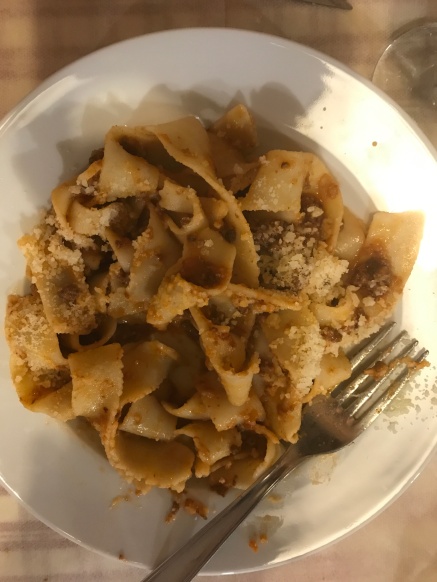
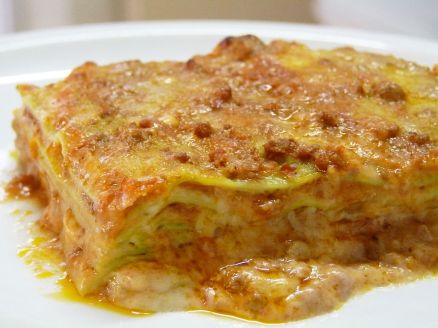
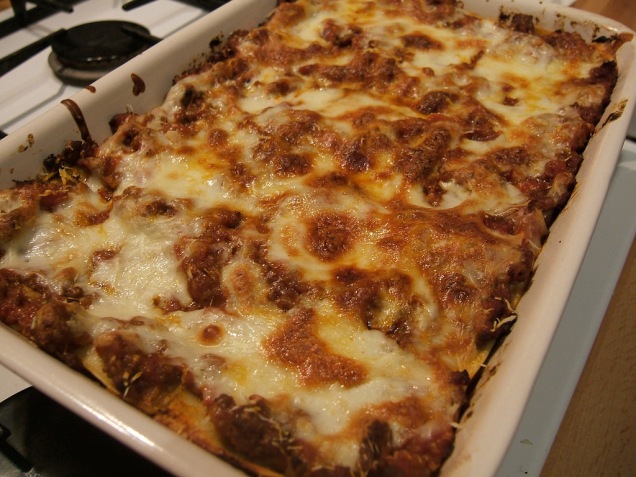
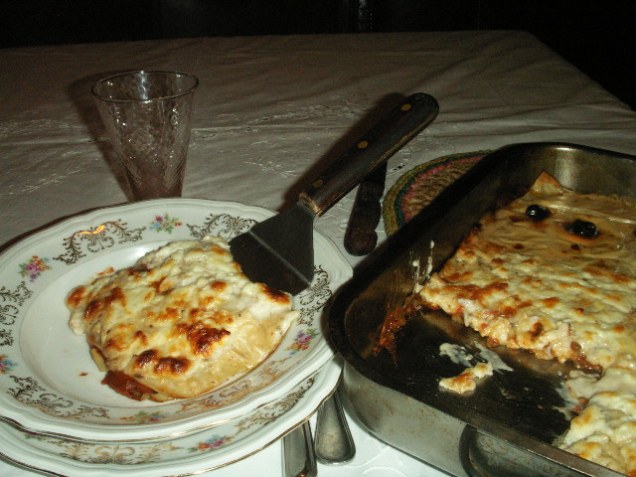
Pasta. Pasta. Pasta. October 25th is World Pasta Day! There are over 300 types to choose from. You can get it in short lengths or long, baked or boiled, slathered in a multitude of sauces. Each region of Italy has their favorite pasta shapes, sizes, and toppings. A savory ragu in Emilia-Romagna, basil pesto in Liguria, spicy peperoncino in Calabria or a cheesy lasagna oven baked in Campania (prepared al Forno); the variations are endless.
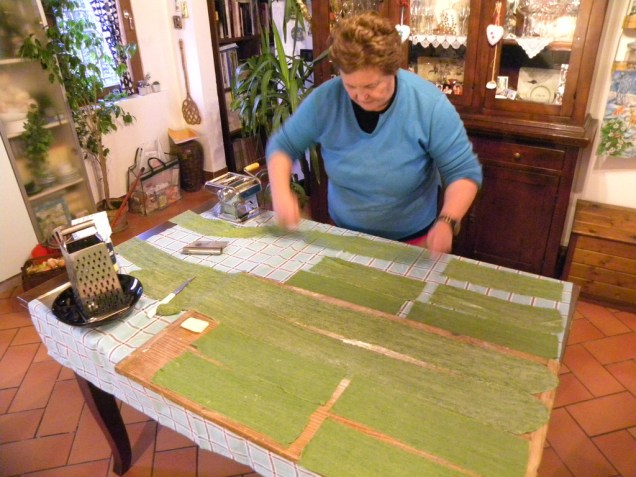
Pasta can be mass-produced or made by hand (Fatto a mano). After more than 10 trips to Italy, I am quite picky about the pasta I eat here in the United States. Purchasing options range from large-scale factories like Barilla on your grocery store shelf to craft pasta makers like the Martelli family of Lari, Tuscany. A fun trip for all ages is an excursion to the Martelli family’s craft pasta facility. It takes more than 50 hours to dry their pasta before it’s ready to be packaged and distributed. According to Lonely Planet, the mass-producer Barilla can make as much pasta in 20 minutes as the Martelli Family makes in one year. Mangia!
October 27th is World Pasta Day & October 17th is USA National Pasta Day
…in case you were wondering
PASTA FACTORY VISIT
La Pasta dei Martelli in Lari, Tuscany – see website for more information or contact me to arrange your transportation & visit
ITALIAN PASTA FESTIVALS
Here is a list of festivals throughout the year in Italy form my book Food & Folklore: A Year of Italian Festivals
May – Tuscany – Sagra della Pastasciutta in Siena [20 different varieties of pasta; a pasta lovers dream]
June – Lazio – Sagra del Gnocchi in Riofreddo [Gnocchi]
June – Piemonte – Sagra della Foccaccia al Formaggio e delle Trofie al Pesto in Casal Cermelli [Trofie shaped pasta with pesto and cheese foccaccia]
July/August – Campania – Sagra dei Fusilli e del Pecorino in Ceppaloni [Fusilli shaped pasta & pecorino cheese]
August – Tuscany – Sagra del Raviolo in Contignano [Ravioli]
August – Marche – La Sagra dei Maccheroncini in Campfilone [Spaghetti]
October – Emilia-Romagna – Sagra del Tortellino in Reno Centese [Tortellini]
Tip to search on your own: Search formula = “sagra” + “pasta” + region of Italy or the shape, sauce or preparation of your favorite pasta
GLUTEN-FREE?
Restaurants throughout the world have increased their offerings for friends that are gluten-sensitive or gluten-free for sourcing a pasta fix (look for “senza glutine” on an Italian menu). Check out Jodi Ettenberg’s Legal Nomad blog post: The Essential Gluten Free Guide to Italy providing very helpful information & list of additional resources for planning a gluten-free trip to Italy.
ABOUT
Lisa Vogele is passionate about sharing her love of travel, festivals and genealogy with fellow travelers and enthusiasts. Lisa is the author of Food & Folklore: A Year of Italian Festivals, her first installment in a series of travel reference guides about food and folklore festivals in various countries. Lisa’s Travel Guides is a full-service travel, tour and custom travel agency helping others to go local as a traveler and not a tourist. In 2017, Lisa combined her passions and created Travel Your Tree providing research services and travel planning for ancestral destination adventures. Lisa can be reached at lisa@lisastravelguides.com or follow her: Twitter @travelwithlisa; Instagram LisasTravelGuides and travel blogging at Lisa Loves to Travel.
PHOTO CREDITS
Pappardelle al Cinghiale, Lisa Vogele
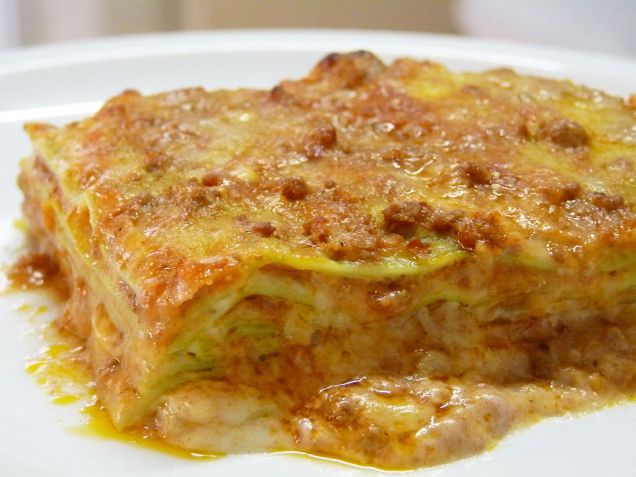
Lasagne Romagnola, BY SAMBAWAMBA VIA WIKIMEDIA COMMONS
![IMG_0564[1]](https://lisalovestotravel.com/wp-content/uploads/2016/07/img_05641.jpg?w=2448&h=3264)
![IMG_0526[1].JPG](https://lisalovestotravel.com/wp-content/uploads/2016/07/img_05261.jpg?w=3264&h=2448)





 BUONCONVENTO, NEARBY & SIGHTSEEING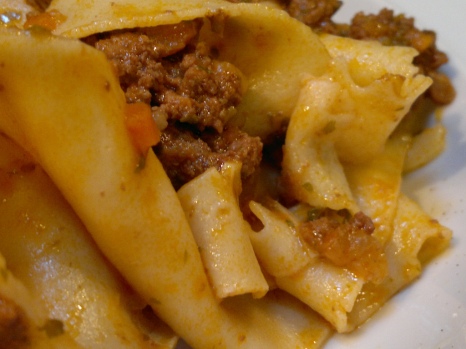
![IMG_0564[1]](https://lisalovestotravel.com/wp-content/uploads/2016/07/img_05641.jpg?w=636)
![IMG_0526[1].JPG](https://lisalovestotravel.com/wp-content/uploads/2016/07/img_05261.jpg?w=636)
![IMG_0528[1]](https://i0.wp.com/lisalovestotravel.com/wp-content/uploads/2016/07/img_05281.jpg?w=208&h=208&crop=1&ssl=1 "IMG_0528[1]")

![IMG_0532[1]](https://i0.wp.com/lisalovestotravel.com/wp-content/uploads/2016/07/img_05321.jpg?w=208&h=208&crop=1&ssl=1 "IMG_0532[1]")


![IMG_0583[1]](https://i0.wp.com/lisalovestotravel.com/wp-content/uploads/2016/07/img_05831.jpg?w=208&h=208&crop=1&ssl=1 "IMG_0583[1]")


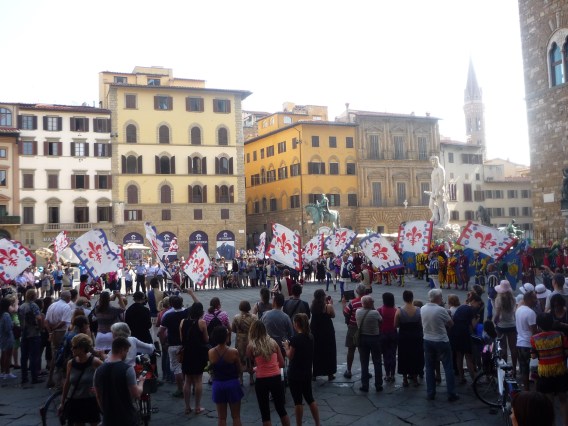
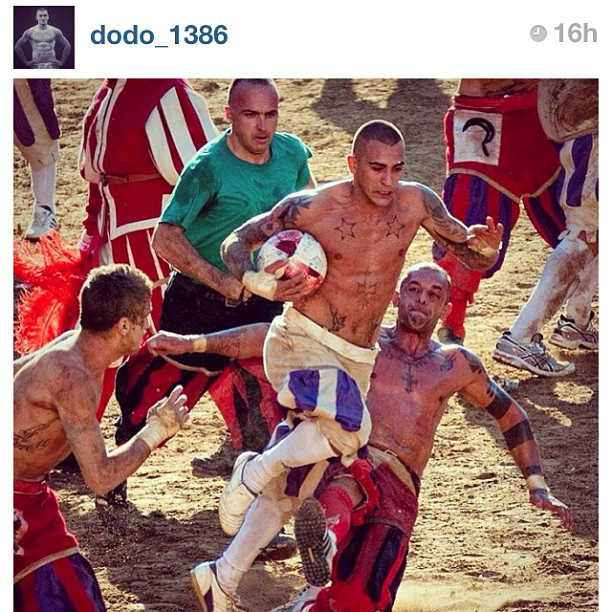 Originating in the 16th century, it was once the sport of rich nobles who played every night between Epiphany and Lent. Official rules were drafted and recorded in a Florentine court in 1580 by Giovanni de’ Bardi. Team members from four quartiere (neighborhood) in Florence take this quite seriously. The neighborhoods and their colors are:
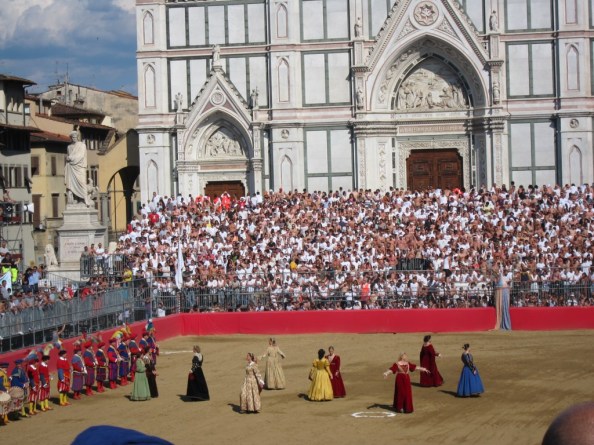 Twenty seven players on each team are half-clad in historical uniforms for the occasion. Each neighborhood is allowed to recruit players from outside the neighborhood and even outside of Italy. There are two semifinals played two weeks before the final on June 24th of each year, which coincides with St. John the Baptist day. Who plays who in the semifinals is decided Easter weekend when colored balls are drawn to determine the semi-final match ups. This year’s final (tonight) features the blues (azzurri) against the whites (bianchi). Tickets sold out in 10 minutes flat!
 Hands and feet can be used, anything goes except sucker punches and ganging up on your opponent; strictly one on one combat – and if you are kicked out – no replacements are allowed, your team plays short of members. A goal (caccia) is scored by hurling the ball over the netting at each end of the sand playing field through a narrow opening guarded by 4 goal tenders. At the end of 50 minutes, the most goals wins! What does the winning team get for their blood, guts and glory? A palio (banner) and a free dinner; in the past it was a Chianina cow. There is no monetary compensation for the winners, only bragging rights for a year. The festivities will conclude this evening at 10 pm with a spectacular fireworks show over the Arno.


 lisa loves to travel