Sagra della Frittella in Tuscania, Lazio

5706594672_a7069866c5_b
Basilica di San Pietro, Tuscania, Lazio, italy
Photo credit: Rome Cabs via Foter.com / CC BY-SA

This weekend there are numerous feasts and religious celebrations throughout Italy honoring Saint Anthony, the patron saint of animals. Each celebrates with their own local spin but many have several things in common: blessing ceremonies for animals and pets, great food and bonfires. In the northern Lazio province of Viterbo, the town of Tuscania will celebrate Saint Anthony and hold its 46th “Sagra della Frittella” this Sunday, January 17th.
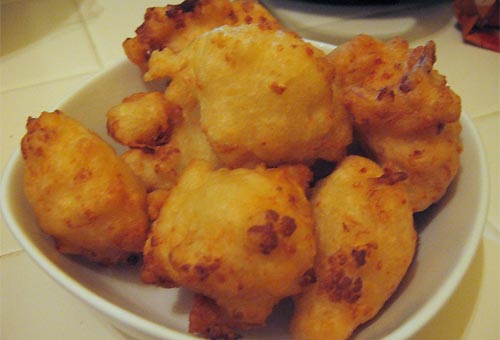
frittelle-cavolfiore
Fritelle al Cavofiore/Cauliflower Fritters

The day begins at 10:30 in the morning with a procession of cowboys, horses and animals brought by farmers to a blessing ceremony at the Church of Santa Maria del Riposo. Then it’s time for the frittelle. “Frittelle” are fritters that can be made up of a variety of foods. The frittelle at this feast are battered chunks of fried cauliflower (frittelle al cavofiore in Italian). A large frying pan will be set up in the old town center on Piazza Italia and local cauliflower will be fried up and served with salt or sugar while singers perform throughout the town. After the sun sets at 6:00 pm, a traditional bonfire is held at the edge of town, rooted in pagan tradition.

371617993_bbcc19cc3b_b
Interior of Basilica di San Pietro
Photo credit: Pelagiodafro4 (Giuseppe D’Emilio) via Foter.com / CC BY-NC-ND

Tuscania also has an Etruscan museum, Romanesque Basilica Santa Maria Maggiore and the Fontana delle Sette Cannelle, a roman fountain made of medieval materials. Tuscania is about 2 hours by car from Rome and 3 hours by car from Florence, very close to the Tyrhennian coastline.

sagra-della-frittella-

Chocolate Day in Crescentino

5898247655_d935d8507b_b (2)
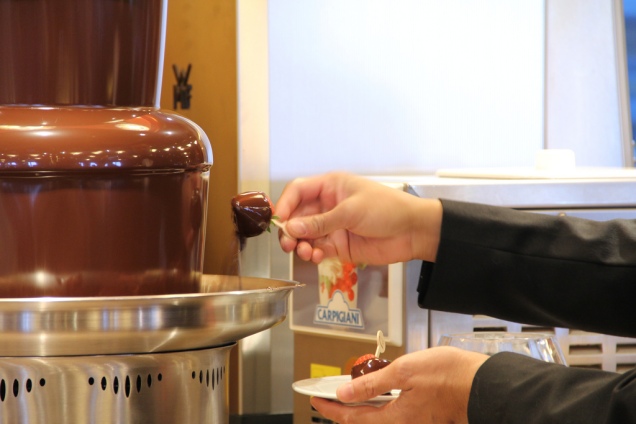
Chocolate Fountain
Photo credit: <a href=”https://www.flickr.com/photos/comunicati/5898247655/”>Michela Simoncini</a> via <a href=”http://foter.com/”>Foter.com</a&gt; / <a href=”http://creativecommons.org/licenses/by/2.0/”>CC BY</a>

The province of Vercelli in the Piemontee region of Italy is better known for its rice production. This weekend it’s the home of Chocolate Day in the town of Crescentino. From 8:00 AM through 8:00 PM on both Saturday and Sunday, master chocolatiers will display their sweet wares in the Piazza Carretto. You can walk around and sample various chocolates, dip in the chocolate fountain, view the chocolate sculptures on display and smell the roasted chestnuts filling the air. Games for kids, balloons and a visit from Babbo Natale (Father Christmas) round out the day for the kids.

16062855549_c50d8b0a04_c
Raw Cocoa Beans
Photo credit: <a href=”https://www.flickr.com/photos/21822583@N08/16062855549/”>CMoravec</a&gt; via <a href=”http://foter.com/”>Foter.com</a&gt; / <a href=”http://creativecommons.org/licenses/by/2.0/”>CC BY</a>

Chocolate Day Information & Organizer

crescentino-19-20-dicembre-A3-724x1024

Cicciolo d’Oro in Reggio Emilia

3040323149_9a622dfc76_b
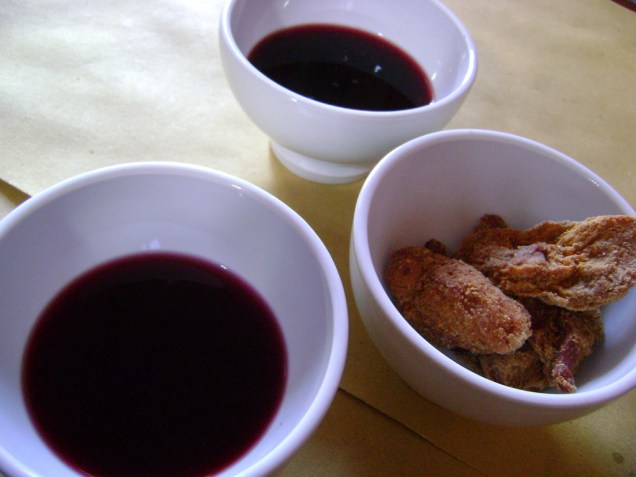
Ciccioli and Red Wine
Photo credit: <a href=”https://www.flickr.com/photos/82842528@N00/3040323149/”>whatamisearching</a&gt; via <a href=”http://foter.com/”>Foter.com</a&gt; / <a href=”http://creativecommons.org/licenses/by/2.0/”>CC BY</a>

Golden. Crunchy. Warm. Savory. Cicciolo, which are essentially pork cracklins, are the highlight of this festival. The direct translation of Cicciolo d’oro is “greaves of gold”. Greaves are the portion of armor used to protect the shin and calve. At least 400 butchers will gather over 150 pots of boiling oil in Campagnola Emilia this Sunday December 13th to compete for the best cicciolo. Whether you give the cracklins a try or one of the other pork based dishes offered from the street food stands, if you are a fan of pork, you won’t go hungry.

11642000495_2e592aa84c_b
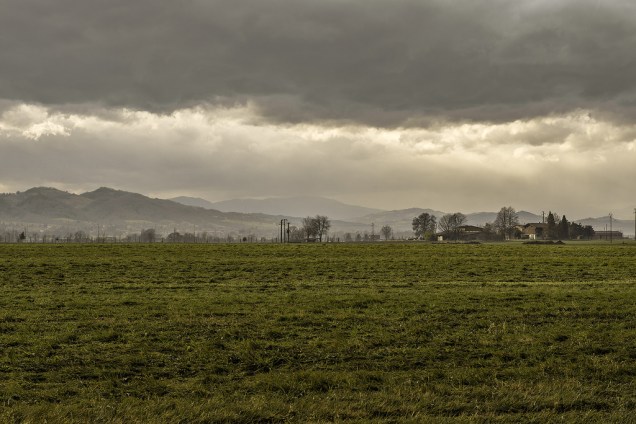
The Hills of the Reggio Emilia Province
Photo credit: <a href=”https://www.flickr.com/photos/stradeperdute/11642000495/”>stefano peppucci</a> via <a href=”http://foter.com/”>Foter.com</a&gt; / <a href=”http://creativecommons.org/licenses/by-nd/2.0/”>CC BY-ND</a>

Campagnola Emilia is about 25 kilometers from Reggio Emilia in the Po River Valley. The Emilia Romagna region of Italy is known for its many savory treats, meats, pastas and agricultural products. Campagnola is home to the church of Sant’Andrea, the oldest structure in the village built in the 11th century. The festivities start at 9am on Sunday and run into the night. Be sure not to miss the pork sausage in a continuous ribbon spanning an incredible 250 meters through the village.

3491576478_cbd7496240_b
Preparing to Cook the Pork Fat
Photo credit: <a href=”https://www.flickr.com/photos/maong/3491576478/”>Monica Arellano-Ongpin</a> via <a href=”http://foter.com/”>Foter.com</a&gt; / <a href=”http://creativecommons.org/licenses/by/2.0/”>CC BY</a>


Il Cicciolo d’Oro Festival Information

Well Dip Me in Chocolate and Call Me Torrone

3100186438_624b3c724e_z
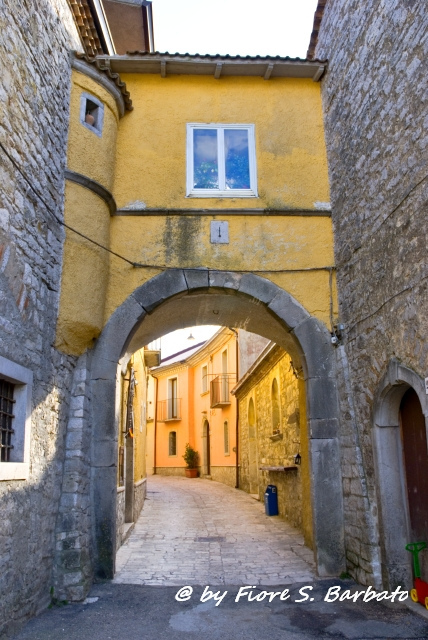
La Torre dei Provenzali, San Marco dei Cavoti
Photo credit: <a href=”https://www.flickr.com/photos/fiore_barbato/3100186438/”>Fiore S. Barbato</a> / <a href=”http://foter.com/”>Foter.com</a&gt; / <a href=”http://creativecommons.org/licenses/by-sa/2.0/”>CC BY-SA</a>

Talk about a candy with an identity crisis, there are at least six countries with their own version of this sweet treat. All have the same basic ingredients of honey and egg whites, but depending on where you find it, it can be chewy or hard, nutty or fruity, or taken up a notch and dipped in chocolate. This weekend and next is San Marco dei Cavoti’s Festa Del Torrone e Croccantino.

6613267951_87d2bc97a2_z
Making Torrone in San Marco dei Cavoti at Festa del Torrone
Photo credit: <a href=”https://www.flickr.com/photos/fiore_barbato/6613267951/”>Fiore S. Barbato</a> / <a href=”http://foter.com/”>Foter.com</a&gt; / <a href=”http://creativecommons.org/licenses/by-sa/2.0/”>CC BY-SA</a>

San Marco dei Cavoti in the Benevento province of Campana, is one of Italy’s top production centers for this traditional Christmas treat. The area was originally settled in pre-Roman times and three of the gates built to fortify the town in the 1300’s still stand. Stands will be open serving varieties of this special treat throughout the festival. There are street performances, cooking demonstrations and if you’re there the night of the 6th you’ll get a special treat with a performance by the U2 tribute band Achtung Babies.

8227493118_a5746fa144_z
Porta di Rose, San Marco dei Cavoti
Photo credit: <a href=”https://www.flickr.com/photos/fiore_barbato/8227493118/”>Fiore S. Barbato</a> / <a href=”http://foter.com/”>Foter.com</a&gt; / <a href=”http://creativecommons.org/licenses/by-sa/2.0/”>CC BY-SA</a>

La Festa del Torrone Program

An Apple a Day… Festival of the Apple in Caserta Province

8431409794_9a3da75a59_b
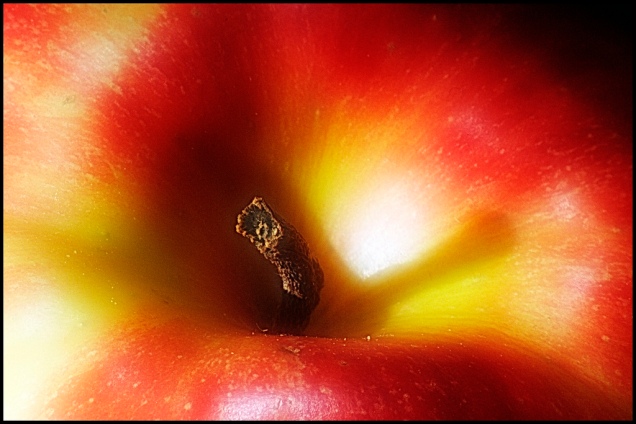
Ripe Apple
[Photo Credit: <a href=”http://www.flickr.com/photos/63558969@N08/”>Massimo Francesconi</a> / <a href=”http://foter.com/”>Foter.com</a&gt; / <a href=”http://creativecommons.org/licenses/by-nd/2.0/”>CC BY-ND</a>]

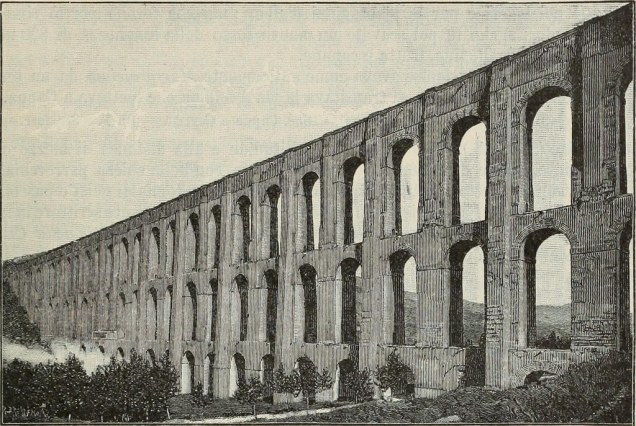
Valle di Maddaloni’s Festival of the Apple is in its 23rd year. About 19 miles northeast of Naples, in the Caserta province of the Campania region, Valle di Maddaloni celebrates this event as the start of their holiday season. The festival began today with a tour of the Aqueduct of Vanvitelli (also known as Aquedotto Carolino) built to carry water from Monte Taburno to the Palace in Caserta several miles away. Designed by Luigi Vanvitelli for Charles Bourbon, construction on the aqueduct started in March 1753 and finished 7 May 1762 when it opened. There is a perfectly preserved 1,736 foot section bridging the Valley of Maddaloni that was named a UNESCO world heritage site in 1997.

14789710223_a733392029_b
Aqueduct Vanvitelli
Photo credit: <a href=”https://www.flickr.com/photos/internetarchivebookimages/14789710223/”>Internet Archive Book Images</a> / <a href=”http://foter.com/”>Foter.com</a&gt; / <a href=”http://flickr.com/commons/usage/”>No known copyright restrictions</a>

Both tomorrow and Sunday the food stalls open early and offer apples cooked in various ways available for sale: apple pies, apple fritters, liqueurs, sauces, jams and other savory treats. There are various farm tours including a tour of the orchards with education both on the process of the apple harvest, local food and organic crops. For entertainment there are dance, folklore and musical groups throughout the days and nights.

 8167722013_be01c1c808_z

Apples and Apple Products Display

[Photo credit:  Photo credit: <a href=”https://www.flickr.com/photos/fiore_barbato/8167722013/”>Fiore S. Barbato</a> / <a href=”http://foter.com/”>Foter.com</a&gt; / <a href=”http://creativecommons.org/licenses/by-sa/2.0/”>CC BY-SA</a>]

Fun facts about apples:

  • Throughout the world there are 7,500 varieties of apples.
  • Apples float because 25% of their volume is air.
  • It takes energy from 50 leaves to make one apple.
  • Apples are a member of the rose family.
  • Pomology is the science of growing apples.

Pro Loco Valle di Maddaloni Festival Information

UNESCO World Heritage Listing for the Acqueduct Vanvitelli

#festadellamela2015 #festadellameladivdm #prolocovalle

#VallediMaddaloni #food #festival


Four Weekends of Fun: Truffles in the Heart of Tuscany

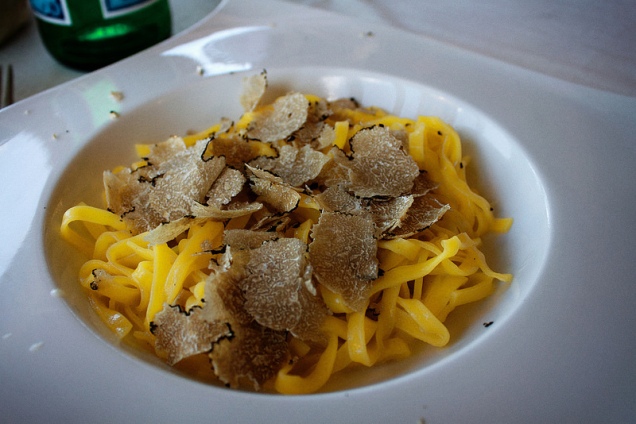
Tagliatelle with Truffles
Tagliatelle Pasta with Shaved Truffles; [Photo credit: jit bag / Foter.com / CC BY]

This is the second of four weekends of fun in San Miniato. During the “45th Mostra Mercato Nazionale Del Tartufo Bianco Di San Miniato”, you can sample food designed to highlight this expensive fungus. Shaved over pasta, infused in oil, truffled pecorino cheese, truffle tapenade; the variety of truffle products and dishes available practically ensures there’s a truffle in your future.

These precious white truffles command quite a price; approximately $1,200 per pound! They pack a punch of flavor in every bite and it doesn’t take much to flavor a dish. In addition to the restaurants and street food showcasing these tubers, there are cooking demonstrations, a market and parades (consult the program at the link below for schedule and locations).

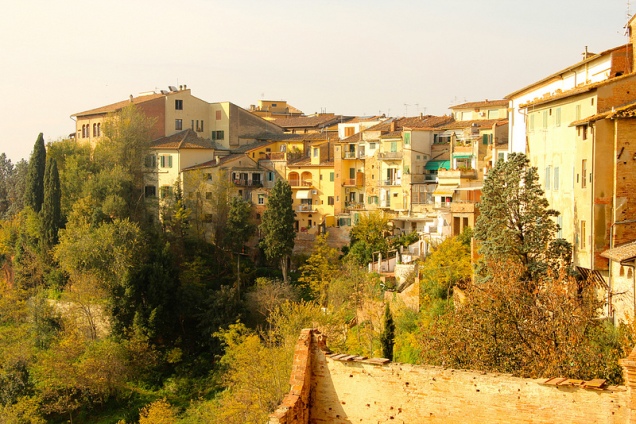
San Miniato Buildings
[Photo credit: <a href=”https://www.flickr.com/photos/comunicati/8229802350/”>Michela Simoncini</a> / <a href=”http://foter.com/”>Foter.com</a&gt; / <a href=”http://creativecommons.org/licenses/by/2.0/”>CC BY</a>]

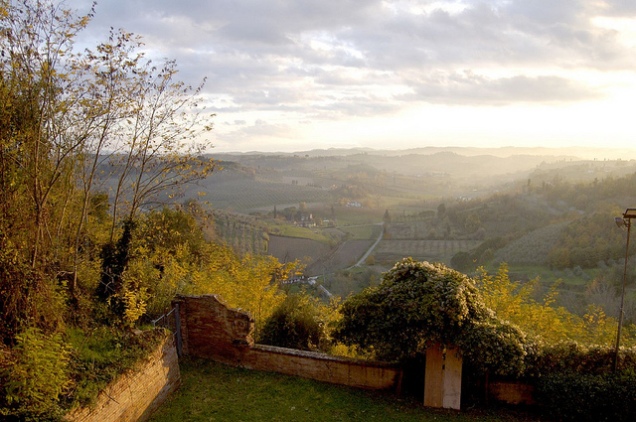
Even if you aren’t a fan of these fabulous fungi, the drive to San Miniato is a scenic treat and convenient to other places you might like to visit. Sitting atop three hilltops of Tuscan fall splendor, San Miniato traces its origins back to the Paleolithic area. The Romans knew it as Quarto and has a strategic location at the crossroads of important trade routes: Pisa to the West, Florence to the East, Lucca to the North and Siena to the South. The FONDAZIONE SAN MINIATO PROMOZIONE has produced and excellent brochure outlining the various attractions and highlights of San Miniato; a link is included below.

San Miniato Area Landscape
View of San Miniato Area Landscape
[Photo credit: <a href=”https://www.flickr.com/photos/33725200@N00/5422357559/”>anniejay</a&gt; / <a href=”http://foter.com/”>Foter.com</a&gt; / <a href=”http://creativecommons.org/licenses/by-sa/2.0/”>CC BY-SA</a>]


San Miniato Information

45th San Miniato Truffle Fair Brochure

San Miniato Brochure

Wine and Chestnuts with A Volcano View

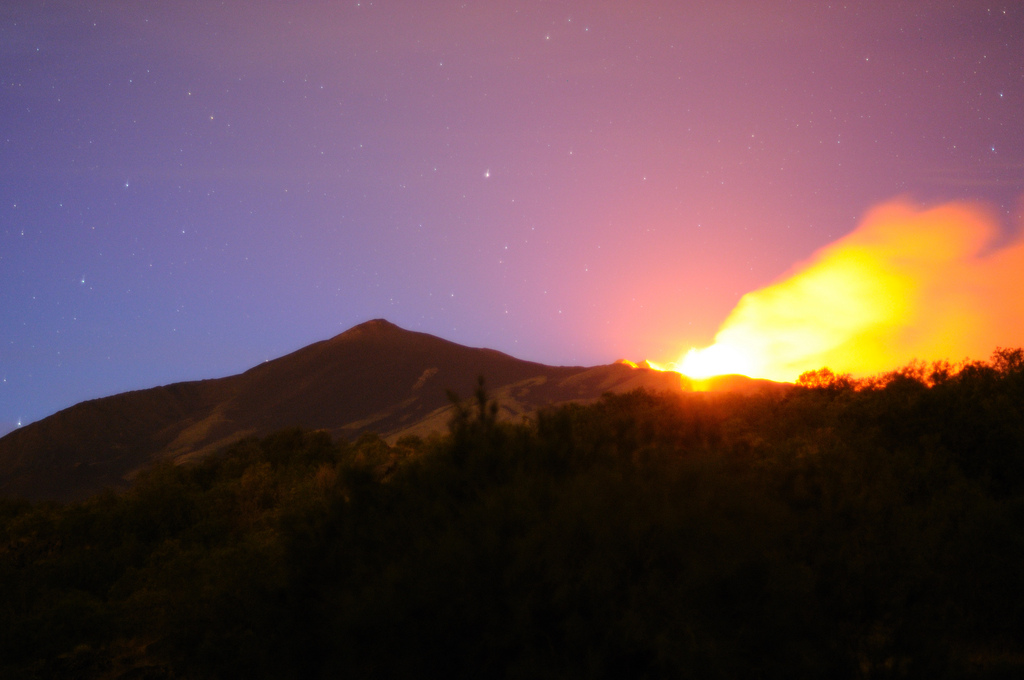
Etna Eruption July 30, 2011; Photo credit: gnuckx / Foter.com / CC BY

Zafferana Etnea is a town on the eastern slopes of Mount Etna in the Catania province of Sicily. Etna is Europe’s highest active volcano and dominates the landscape of Eastern Sicily. This weekend the hamlet of Sarro within Zafferana Etnea is hosting their 25th annual wine and chestnut festival as part of their Feast of San Martino. Wine and chestnuts are the ritual food and drink to celebrate St. Martin and during Roman times chestnuts were eaten by shepherds and referred to as “Jupiter’s acorns”.

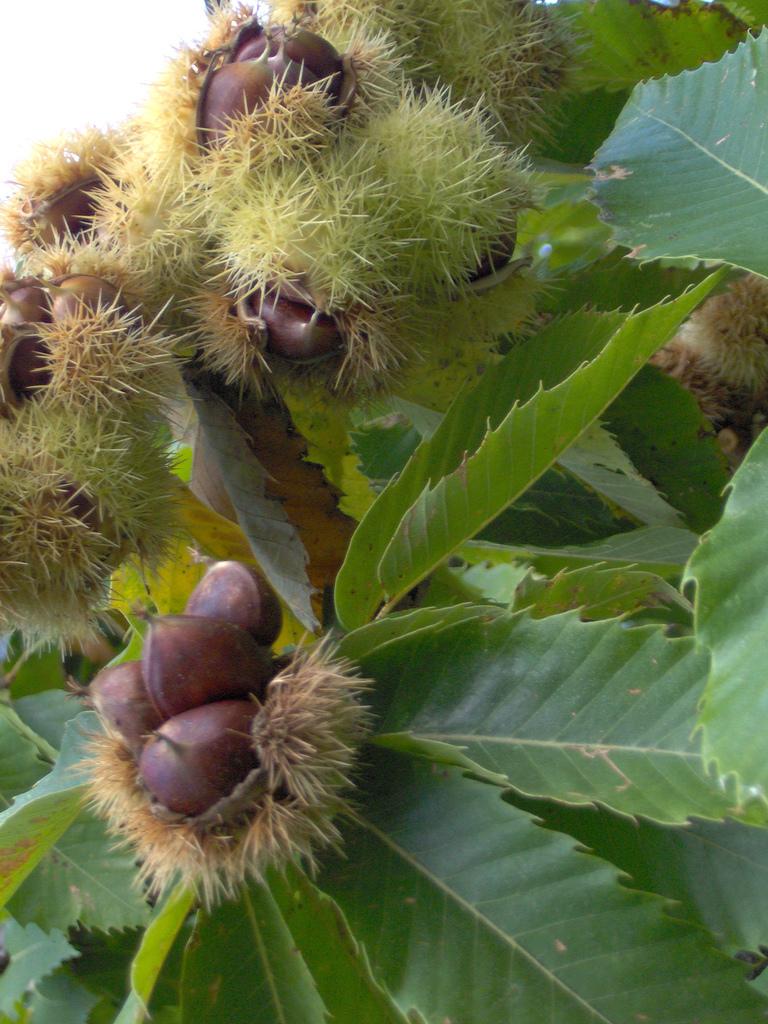
Fresh Chestnuts Photo credit: it1315922 / Foter.com / CC BY-SA
Fresh Chestnuts; Photo credit: it1315922 / Foter.com / CC BY-SA

There is an established tradition of this festival that offers all attendees free pasta and chickpeas but the offerings don’t stop there. On Piazza Padre Russo, the heart of the festivities, from 6:30 pm into the night there will be opportunities to purchase roasted chestnuts, sausage and homemade cakes. In addition, organized games and evening entertainment along with a raffle organized by a non-profit with proceeds benefiting the poor during the upcoming holiday season.

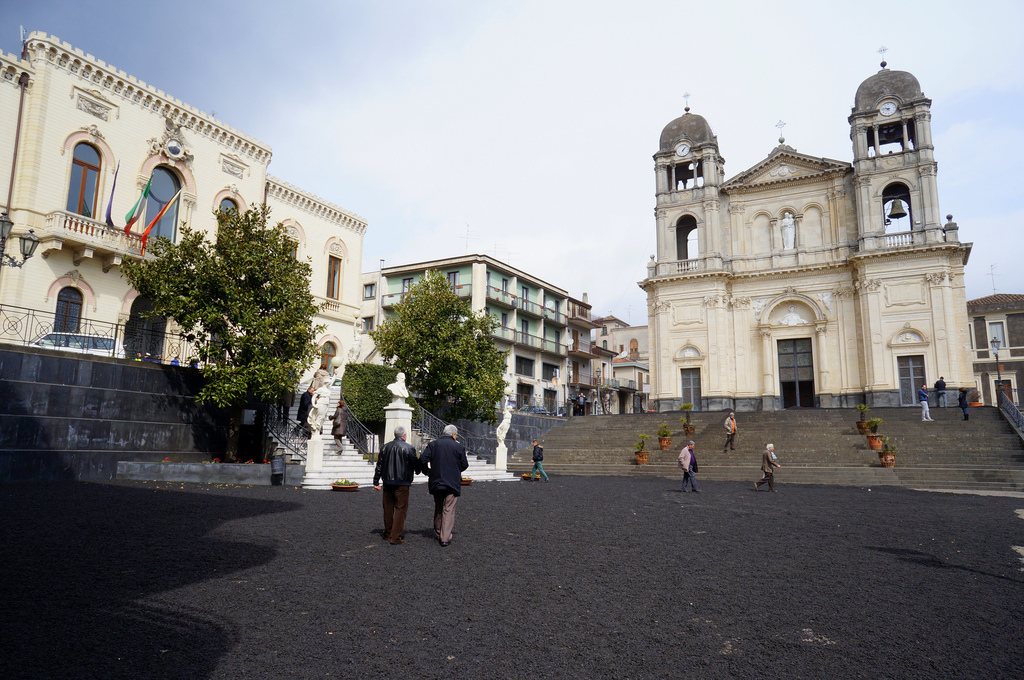
Piazza Zafferana Etnea by Day Photo credit: Leandro's World Tour / Foter.com / <a href="http://creativecommons.org/licenses/
Piazza Zafferana Etnea by Day; The Baroque-Style Chiesa Madre to the Right; Photo credit: Leandro’s World Tour / Foter.com /

The Zafferanesi are resilient, rebuilding their town multiple times after angry eruptions of Etna over several hundred years. The town is a popular stopping off point for tourists on their way to the Park of Etna. Etna’s eruptions have provided very fertile agricultural land that supports the cultivation of grapes, almonds, citrus fruit and a variety of vegetables.

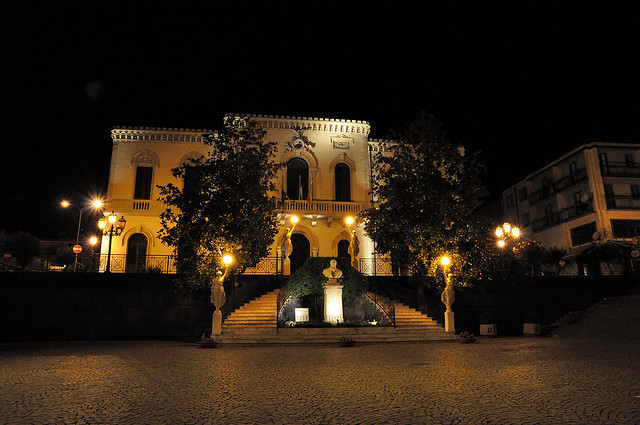
Piazza Zafferana Etnea at Night; Photo credit: Ask@Net / Foter.com / CC BY

The nearby town of Sant’Alfio has a huge 2,000-4,000 year old tree called “Castagno dei Cento Cavalli” (the chestnut tree of 1,000 horses). Legend has it that this tree protected Queen Jeanne d’Anjou, Queen of Aragon, and her retinue of 100 knights during a terrible thunderstorm. It is the subject of various songs and poems and had a circumference of 190 feet when its measurement was recorded back in 1790.

Comune di Zafferana Etnea

Thanksgiving: Introdacqua Style

Introdacqua.  Photo credit: heymrleej / Foter.com / CC BY-SA
Introdacqua. Photo credit: heymrleej / Foter.com / CC BY-SA

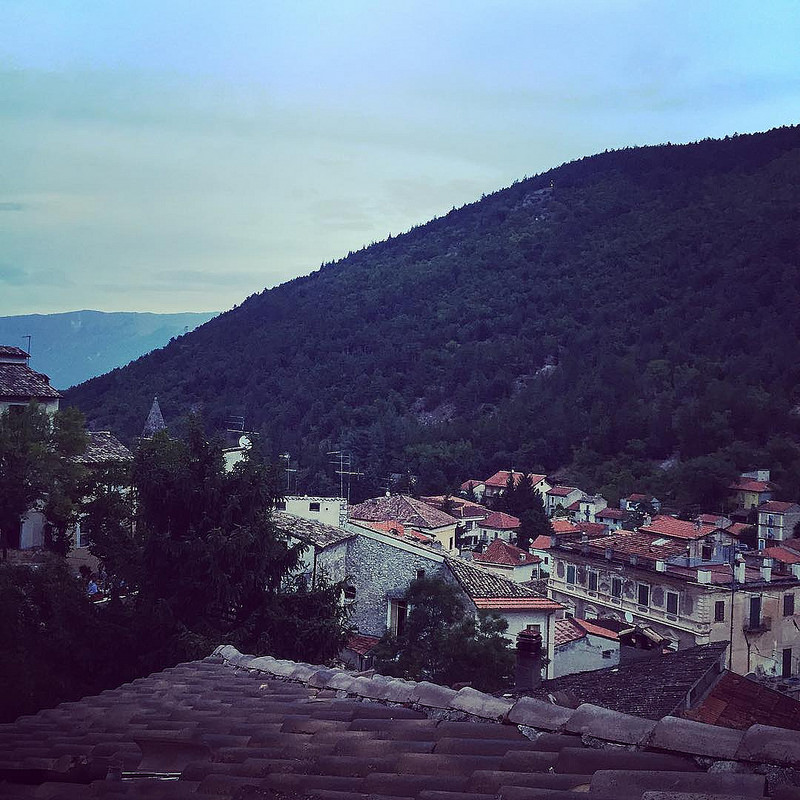
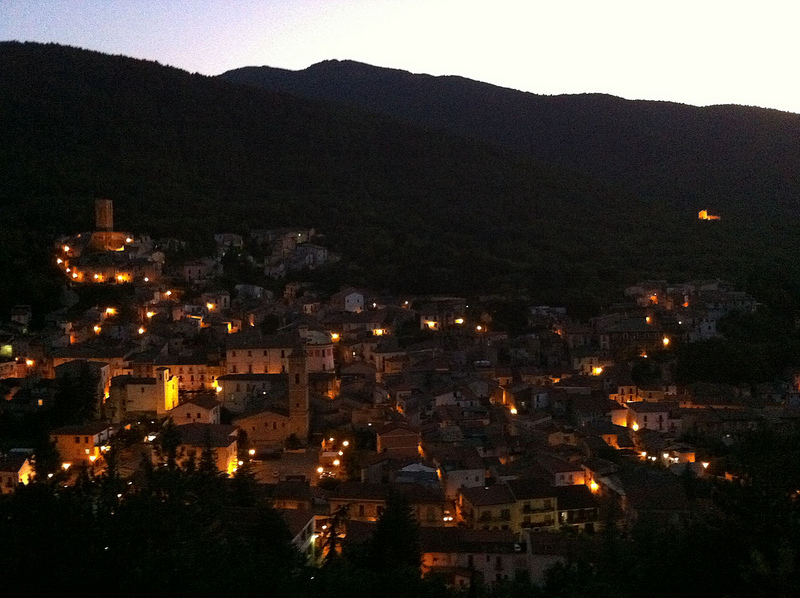
Introdacqua is a town in the Abruzzo Region of Italy, Province of L’Aquila, situated on a hill between the Contra and Sant’Antonio valleys. It dates back to medieval times and has a medieval tower dominating its landscape. The tower was used as a watchtower between Abruzzo and Naples in the medieval period when it was a fiefdom of the Trasmondi family. Loosely translated as “where the water comes in”, Introdacqua is a member of the “Borghi piu belli d’Italia” club (Most Beautiful Villages in Italy) and has been lucky to escape the major earthquake damage befallen its neighbors in recent years.

Introdacqua by night.  Photo credit: digitalWestie / Foter.com / CC BY
Introdacqua by night. Photo credit: digitalWestie / Foter.com / CC BY

Thanksgiving begins with a blessing of the crops and tractors followed by a parade of floats and musical groups throughout the village. Though it is an ancient tradition of tribute to the land and crops that sustained them, the festival has been rediscovered and is now in its 10th year. Thousands will descend upon the town this Sunday, November 8th to sample the authentic local food, watch the folk musicians, and discover the local flavors of the area. Food carts will be set up to display local products such as: extra-virgin olive oil, salami, cold pork meats, cheeses, red garlic, chickpeas and a multitude of sweet desserts. If you are not lucky enough to be staying in Introdacqua, it can be easily reached by car in about two hours from Rome.

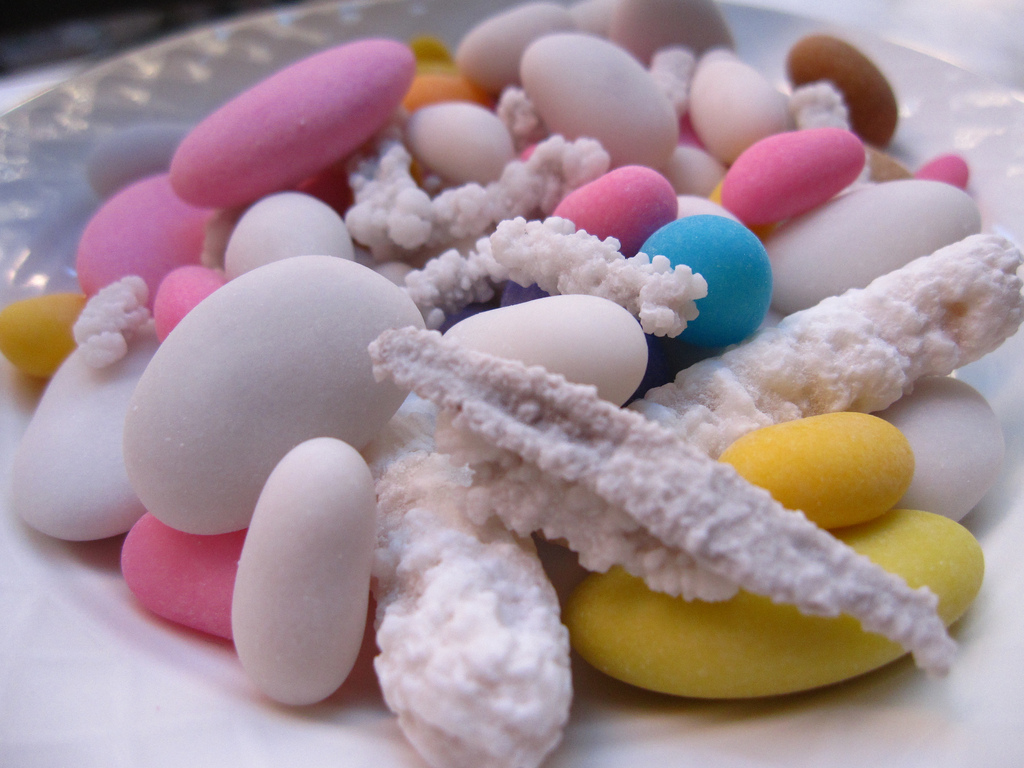
Assorted confetti candy.  Photo credit: Accidental Hedonist / Foter.com / CC BY
Assorted confetti candy. Photo credit: Accidental Hedonist / Foter.com / CC BY

If you’ve ever been to an Italian wedding, chances are you were greeted at your place setting with a small tulle bag of confetti; not the paper type, the almond type. Used to celebrate significant unions and births, the candy coated almond treats are used as a thank you to guests and come in many different colors, each with its own meaning. Casa Pelino has been making confetti in nearby Sulmona since 1783 but the family got their start in Introdacqua.

Festa del Ringraziamento 2015

Borghi piu belli d’Italia

Confetti Mario Pelino

Fair of the Dead! Halloween Weekend/All Saints & All Souls Days Umbria

4064804616_29c3cf60cb_b
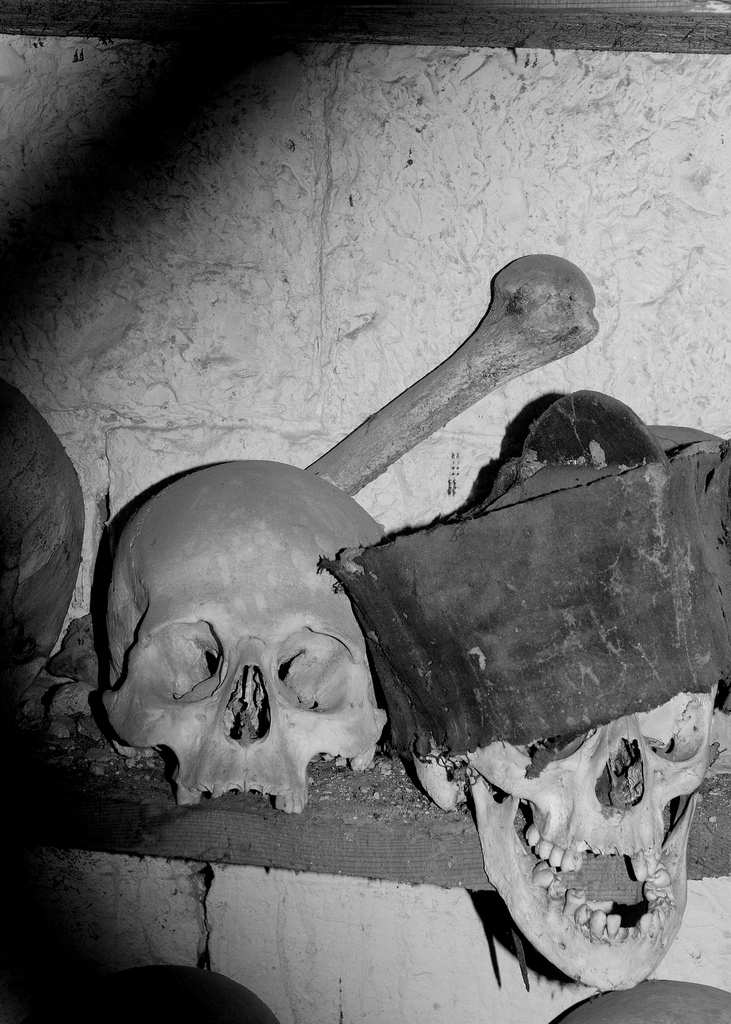
Skulls and Bone; Photo Credit: Photo credit: Gabriele Asnaghi / Foter.com / CC BY-SA

Celebrating Halloween in Italy with costumes and trick-or-treating is becoming more popular each year. They have imported the American “Halloween” through television, pop culture and films only recently. Italian children don’t shout “trick or treat?” they shout “dolcetto o scherzetto?” after knocking on neighbors doors dressed as little witches and goblins. This “new” event precedes the traditional Italian Holidays of All Saints Day (Ognissanti) and All Souls Day, November 1st and 2nd respectively. Italians honor deceased family members on these annual holidays by visiting their graves, placing flowers and offering prayers.

Piazza Novembre; Photo credit: Perugiacity.com / Foter.com / CC BY
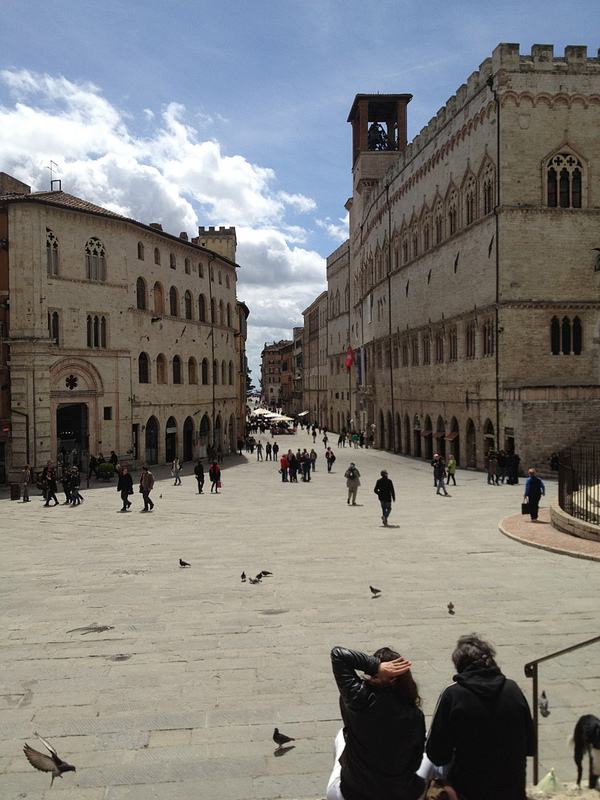
Piazza V Novembre; Photo credit: Perugiacity.com / Foter.com / CC BY

In a town known more for its Perugina Baci chocolate treat and educational institutions, Perugia’s Fiera dei Morti has been in progress since medieval times. Written evidence of its existence dates back to the year 1260 when it was called the “All Saints Fair”; however, it’s been called the “Fair of the Dead” since the 1700’s. It is considered one of the most important fairs in the area and was started to exchange agricultural livestock and products before winter arrived but has developed into over 500 vendors selling local crafts and sweets. You can find everything from housewares to clothes to spices in stands found in the Pian di Massiano, Piazza del Bacio and the historical center.
The festival Runs November 1st – November 5th. If you are in the area and recovered from your chocolate hangover acquired at last week’s Eurochocolate festival make sure to try local specialties “Beans of the Dead”, Torta al Testo (traditional bread of Perugia) and the tibia shaped cookies known as stinchetti made especially for I Morti.

Fiera dei Morti 2015 Perugia

Fiera dei Morti Perugia 2015 Poster
Fiera dei Morti  Perugia 2015 Poster

The Fabulous Feast of the Thrush – Montalcino, Italy

Photo Credit: ViaggioRoutard / Foter / CC BY
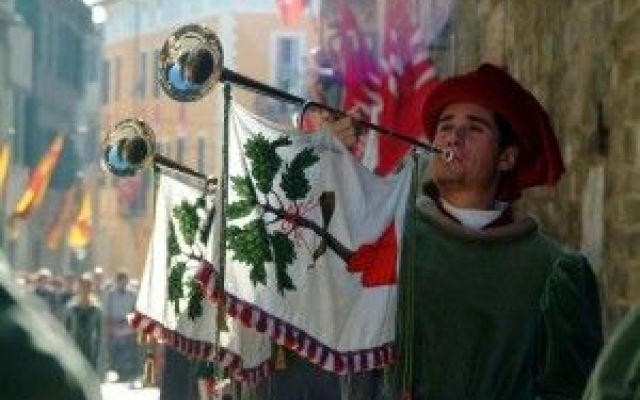
Trumpeter in Costume During the Parade Procession Sagra del Tordo, Montalcino – Photo Credit: <ahref=”https://www.flickr.com/photos/viaggioroutard/22289123532/”>ViaggioRoutard / Foter / CC BY

Since 1958 the last weekend in October is marked with pageantry, camaraderie, competition and food in the southern tuscan hilltown of Montalcino.  I attended the Sagra del Tordo (Feast of the Thrush) in October, 2011 and was not disappointed.  From the first drumroll and blasts of trumpets, through the parade of about 150 locals and the archery competition, there wasn’t a dull moment.  It is evocative of hunting traditions of the past when hunters and falconers would go into the woods, bring back their spoils and everyone would feast, noblemen and commoners alike.

Piazza del Popolo, Montalcino - Photo credit: yashima / Foter / CC BY-SA
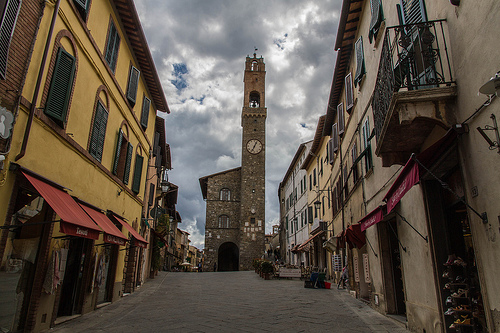
Piazza del Popolo, Montalcino – Photo credit: yashima / Foter / CC BY-SA

Surrounded by the golden, late fall sunshine and colorful leaves that mark autumn in this region we established our place on the parade route and watched as participants paraded through town making various stops along the way to the fortress.  It was the first (and only) time I have ever been up close and personal with two ghostly Chianina bulls; they dwarfed me as they walked past pulling a cart, I don’t even think I came up to their shoulders!  The Chianina produce the Bistecca Fiorentina, a massive steak served throughout the region and Italy.

Chianina Cow & Calf - Photo credit: Monica / Foter / CC BY
Chianina Cow & Calf – Photo credit: Monica / Foter / CC BY

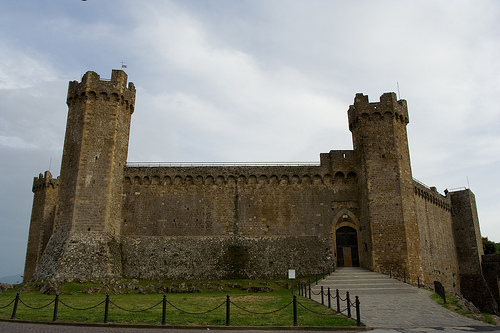
Montalcino is split into four neighborhoods (quartiere) each with their own tribal colors: Borghetto (white and red), Pianello (white and blue), Ruga (yellow and blue) and Travaglio (yellow and red).  During the celebration two archers from each quartiere compete in an archery competition.  The losers suffer insults and jokes of the winning team for the next year.  Each quartiere also has a food booth in the main park “Giardini Impero” outside of the Fortezza serving several courses of food; you can pick and choose what you buy from each and eat at the picnic tables provided.  The food is great, inexpensive and best of all, local.  Let’s not forget, this is the home of the famed Brunello di Montalcino, a hearty Tuscan red that’s produced with 100% sangiovese grapes.  Try the wine at one of the food stands or venture into one of the many tasting rooms located around town and at the Fortezza.

Photo credit: mava / Foter / CC BY-SA
Fortezza, Montalcino – Photo credit: mava / Foter / CC BY-SA

Pro Loco Montalcino Tourism

Sagra del Tordo 2015 Full Itinerary