Brisighella is a beautiful town situated on a hillside about one hour southeast of Bologna in the Emilia-Romagna region of Italy. It hosts many wonderful food and folklore festivals throughout the year and in November there are four food festivals, one every Sunday to enjoy. These celebrations are collectively referred to as Quattro Sagre per Tre Colle (Four Feasts for Three Hills) referencing the hills that are part of the Brisighella landscape.
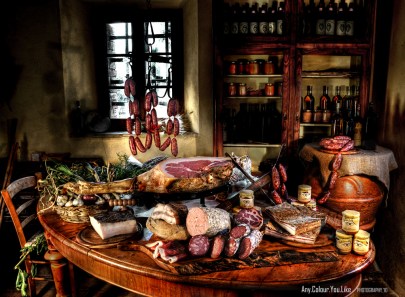
NOVEMBER 6 – SAGRA del PORCELLO – Festival of Pork Products
The market opens at 8:00 AM displaying a variety of products made with pork. Later int the morning, from 11:00 AM and until 8:00 PM, food stands serve up pork prepared in the local traditions of the Faenza Apennines (mountains). In Piazza Carducci, expert butchers will give two demonstrations (at 10:00 AM & 3:00 PM) on how to work with/butcher pork. There will be folk performers and games throughout the town during the day. Nine different restaurants are participating in the festivals via menus highlighting pork products.
NOVEMBER 13 – SAGRA della PERA VOLPINA e del FORMAGGIO STAGIONATO – Festival of Volpina Pears and Seasoned Cheese
This autumn fruit market highlights pears and cheese. Volpina pears are smaller, rounder and harder than the pears we are used to buying at our local supermarkets. They are boiled, cooked in wine, or baked before being eaten. FormaggioStagionato is a hard, aged pecorino (sheep’s milk) cheese that is often enjoyed in combination with the pears.
NOVEMBER 20 – SAGRA del TARTUFO – Festival of the Truffle
Sua Maestà il Tartufo (His Majesty the Truffle) of both the black (nero) and white (bianco) varieties are showcased on Sunday, November 20th. Dishes are served up at both food stands and restaurants all around town with truffles as the highlight.
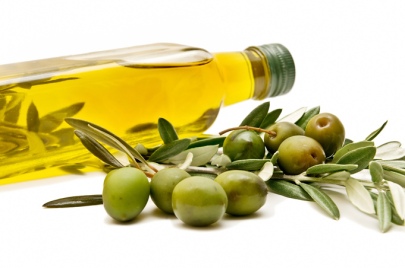
NOVEMBER 27 – SAGRA dell’ULIVO e dell’OLIO – Festival of Olive and Oil
There are two types of extra virgin olive oil manufactured in the Brisighella area: “Il Brisighello” and “La Brisighella“. The Brisighella product (ending in “A”) is a PDO Product (Protected Designation of Origin). PDO product designations guarantee the product was made in a certain geographic location and not falsely reproduced somewhere else. There are currently 138 DPO products from throughout Italy protected by this designation.
Lisa M. Vogele is the author of Food & Folklore: A Year of Italian Festivals, a travel reference guide that “helps you go local” by incorporating festivals into your travel planning. You can find out more information about Lisa’s books and “Fun with Food & Festivals” Tours at Lisa’s Travel Guides.
While other towns and regions are busy with their fall chestnut, apple, and truffle festivals, the community of Chatillon in the Val d’ Aosta Region of Italy is celebrating honey in all its sticky sweetness. Stands featuring local honey, honey products, and a honey competition highlight the event. The festival began on Thursday and runs through Sunday, October 29th. Tonight features a Castle of Honey tour in the Castello Gamba with food & wine tastings and a fundraiser for Italian earthquake victims. Tomorrow at 11:00 AM you can enjoy a local parade and at 2:00 PM enjoy a walking tour that combines town history and local honey.
Castello di Ussel, Chatillon, Val d’Aosta, Italy
Chatillon is a town located just east of Aosta in the Val d’Aosta province, near the Italian border with Switzerland and the famous Matterhorn peak. The Castello di Ussel was built in 1350 and dominates the skyline. Once you’ve enjoyed your fill of honey, head over to the nearby spa town of Saint-Vincent for some rest and relaxation.
Lisa M. Vogele is the author of Food & Folklore: A Year of Italian Festivals, a travel reference guide that “helps you go local” by incorporating festivals into your travel planning. You can find out more information about Lisa’s books and “Fun with Food & Festivals” Tours at Lisa’s Travel Guides.
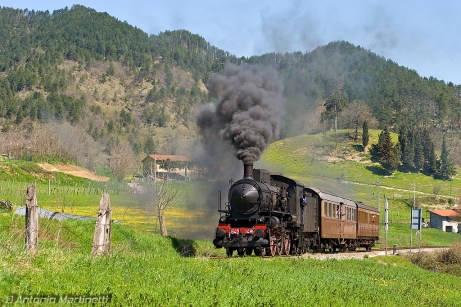
Marradi is a small village of 3,500 located 28 miles northeast of Florence and quite near the Tuscan border with the Emilia-Romagna region. Several trains will transport you to the Sagra delle Castagne (Chestnut Festival) in Marradi over four Sundays in October. Trenitalia runs additional trains from Florence (Firenze) on these Sundays and a special, historic steam locomotive runs (treni a vapori) from select cities on different Sundays.
Chestnut Festival in Marradi
The festival has activities spread throughout the town in seven different locations. There are stands selling different types of delicious pasta, food, cakes and jams made with chestnuts and chestnut products. This year, the post office has commissioned a special cancellation stamp for everything mailed from Marradi during the festival period. So if you decide to give this festival a try, bring your postcards to mail for an extra special touch.
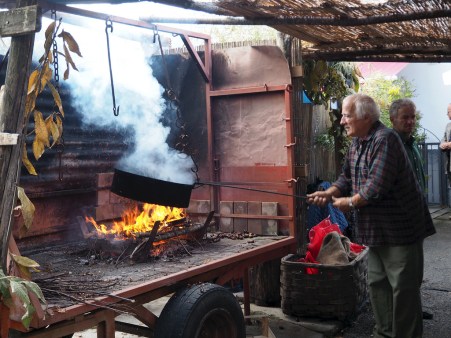
Roasting Chestnuts
Free from the tourist crush of nearby Florence, the Mugello region is north of Florence and was first settled by a Ligurian tribe named Magelli, hence the name Mugello. The countryside is a lush valley of rolling hills and home to many Villas, including Villa Demidoff in Vaglia, Palazzo dei Vicari in Scarperia and the two historic Medici Villas: Villa Medicea di Cafaggiolo in Barberino di Mugello and Villa Medicea del Trebbio near San Piero a Sieve.
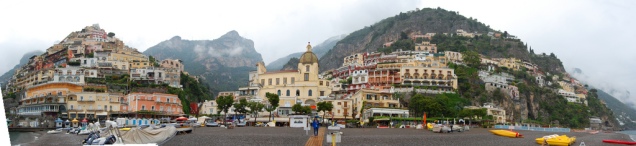
This Saturday is the 25th anniversary of the Festa del Pesce (fish festival) in Positano. There was a hiatus from 1994-2005, but it was brought back to raise funds for non-profits, particularly the local Croce Rossa (Red Cross). Positano is part of the famous Amalfi Coast collection of steep, seaside villages. The festival is held along the Spiaggia Fornillo (Fornillo Beach). The towns of the Amalfi Coast are linked by the SentieroDegli Dei hiking trail, ferries and what feels like a death-defying coastline drive.
Positano Beach View
At 5:00 PM the party begins in Piazza Dei Mulini and moves to the beach pier at 6:30 PM. At 7:00 PM the stands officially open on the edge of Fornillo Beach serving calamari, tuna tartare, fried fish, calamari with potatoes, penne with anchovies and walnuts, lemon sorbet and wine! The evening concludes with a concert on the beach stage.
Fried Fish
Fried Calamari
Tuna Tartare
Draped in wisteria throughout town, the “streets” are narrow alleys with a lot of steps. The beautiful architecture is a mix of cream, white and sun-kissed colors. The Santa Maria Assunta church contains a black Madonna dating back to the 13th century. Wander through the town and be rewarded with special views of the deep blue sea and sweeping panoramas of the coastline.
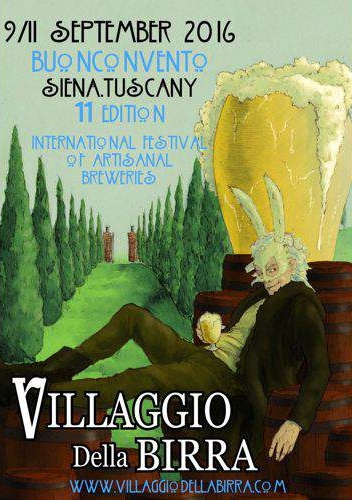
The rise in popularity of craft beer has not left Italy untouched. This weekend an entire village with its own monetary system is constructed to celebrate an international array of craft beers. You enter the village, buy your official glass and tokens, then proceed to the beer stands using the tokens to purchase the tasting samples. This festival year, artisan beers (Birra Artigianale) from Italy, Belgium, Canada, Greece, Netherlands, Spain, Switzerland, United Kingdom, and the United States are included. In addition to the great beer, there are food stands and entertainment each day. The festival expanded this year to include a Belgian edition and participated in a craft beer festival in Barcelona.
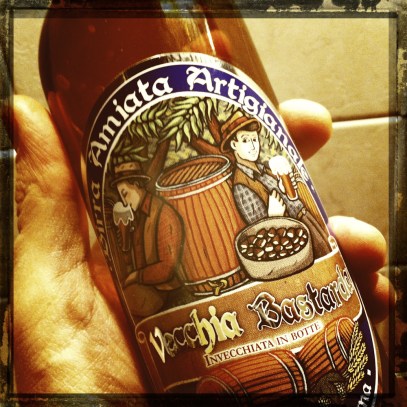
“Vecchia Bastarda” Old Bastard Craft Beer by Birra Amiata Artigianale, a local Brewery (not participating in festival)
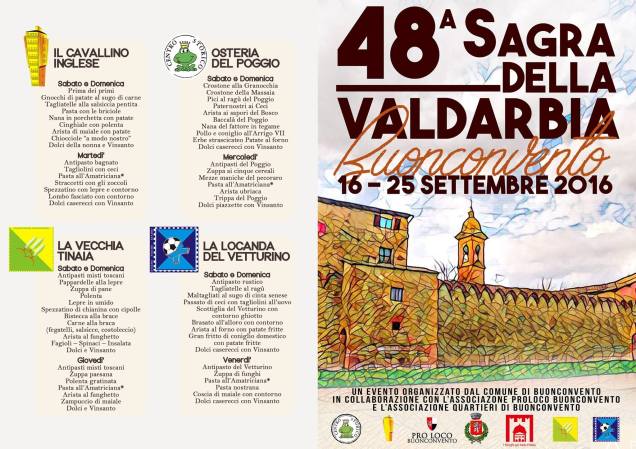
The festival is located near Buonconvento in southern Tuscany. Buonconvento is a walled medieval town set against a backdrop of the the Val d’Arbia area in the rolling hills of the Crete Senese, south of Siena. If you are not there this weekend, coming up over the next few weekends is the 48th Sagra della Val d’Arbia showcasing typical local foods from the area.
Streetscene in Buonconvento
Entry to Walled Town of Buonconvento
Family Crests on Wall of Buonconvento
I love staying in and near Buonconvento; it’s a small town, not touristy, and serves as a great home base for touring and exploring the Val d’Arbia, Val d’Orcia, the ruins of San Galgano Abbey, Abbey Monte Oliveto Maggiore, Montalcino, Pienza and the hilltop town of Montepulciano. When I am in the area, I never miss a visit with Andrea at Bar Cattivi Frati for an Italian Spritz and Pianigiani Bags for a leather purse or accessory handmade by Bianca, Jacopo and the Pianigiani family. Both Cattivi Frati and Pianigiani (formerly La Dolce Vita) are located on Via Soccini in the walled, old town.BUONCONVENTO, NEARBY & SIGHTSEEING
Each August in Sarconi you will find two days filled with food, folklore, and street artists. Sarconi is in the Val d’Agri is a lush area of Basilicata with mountains, lakes, and rivers in the province of Potenza. You can obtain a map from the festival website showing the participating restaurants and stands throughout the town. Nearby places to visit include Moliterno Castle, Mount Sirino and Pietra del Petrusillo Lake.
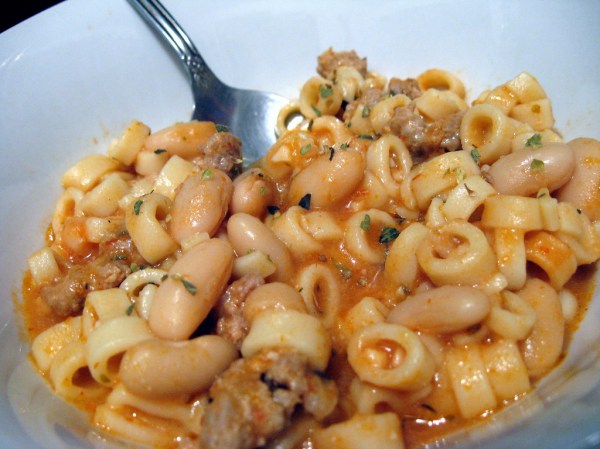
Pasta e Fagioli con Salsicce (Pasta and Beans with Sausage)
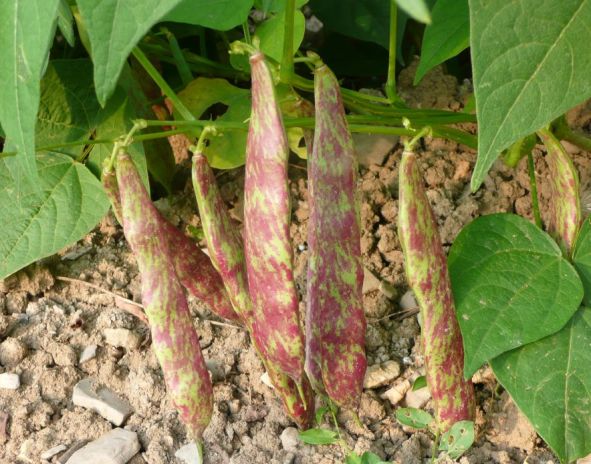
The beans of Sarconi are an IGP product. The acronym IGP means Identificazione Geografica Protetta; it is a designation given by the European Union when the quality and process of a product are dependent on the location of its production. There are bean products available for purchase at road-side stands, local restaurants highlight the beans on their menus, and educational programs are offered related to the importance of the beans in the area of Val d’Agri.
August 15th is the mid-August national holiday in Italy known as “Ferragosto.” Usually the start of a vacation, or at the very least, a long weekend for Italians, there are celebrations and feasts coinciding with this weekend throughout Italy. Many shops and restaurants shut down this time of year and tourists that have not done their research find a bit of a “ghost town” feel to both small towns and big cities. A tried and true food or folklore festival is a great way to enjoy the locals and eat some great food. Below is a list of some food & folklore events this holiday weekend ranging from small to large in different regions of the country.
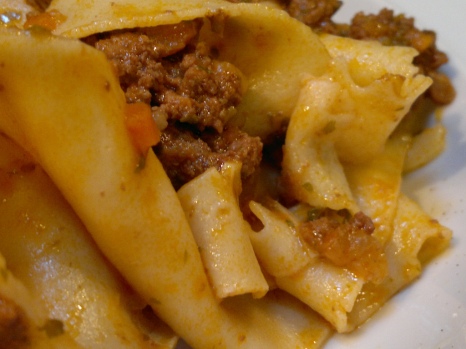
Pappardelle al Cinghiale
SAGRA della PAPPARDELLA al CINGHIALE – Gemmano, Emilia Romagna – August 12-15
Just looking at this photo makes my tastebuds water for this food! Savory and filling, pappardelle pasta with wild boar sauce is the the honored food at this festival in Gemmano, south of Rimini and inland from the Adriatic coast of the Emilia Romagna region. The Onferno caves and nature reserve nearby attract spelunkers and hikers for trekking.
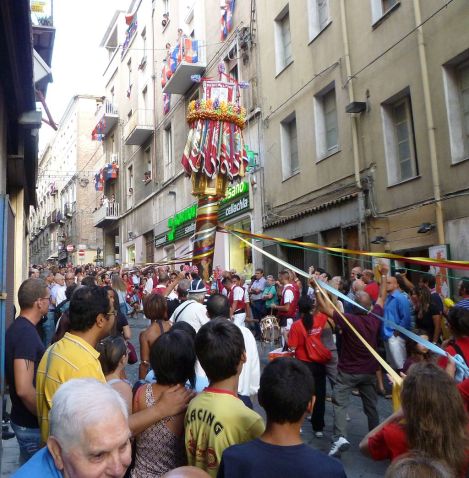
FESTA dei CANDELIERI – Sassari, Sardinia – August 14
The Festa dei Candelieri was imported to Sardinia by settlers from Pisa. It is over 500 years old and takes place on August 14th of each year. Music and drums can be heard in the streets in the days leading up to the festival. There are giant candles weighing over 800 pounds each from the ten trade guilds and offered to the Madonna in memory of her ending the plague in the city in 1652. The parade ceremony starts at 5 PM and the candles begin to dance through the town at 6 PM. They are transported by the guild members dancing them in the street beginning at Piazza Castello and ending at the Church of Santa Maria di Betlem.
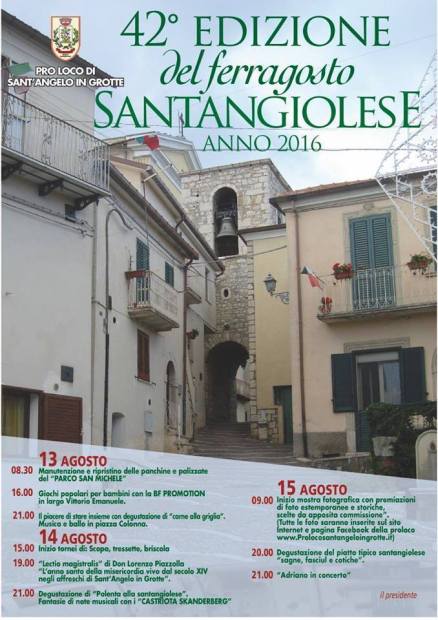
FERRAGOSTO SANTANGIOLESE – Sant’Angelo, Molise – August 14-15
Games, entertainment and, of course, FOOD highlight each day of this event. Grilled meat on day one, Polenta in the Sant’Angelo style on day 2 and servings of the typical Sant’Angelo dish “sagne, fasciul e cotiche” (pasta with beans and pork).
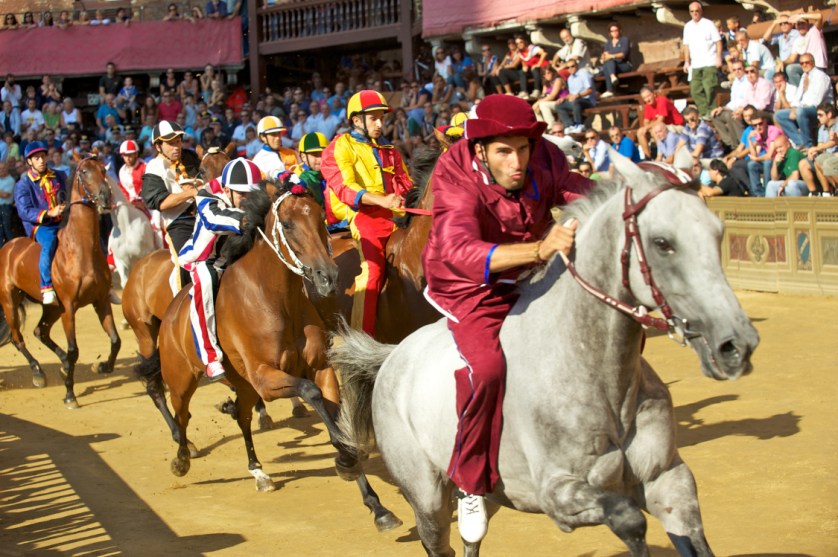
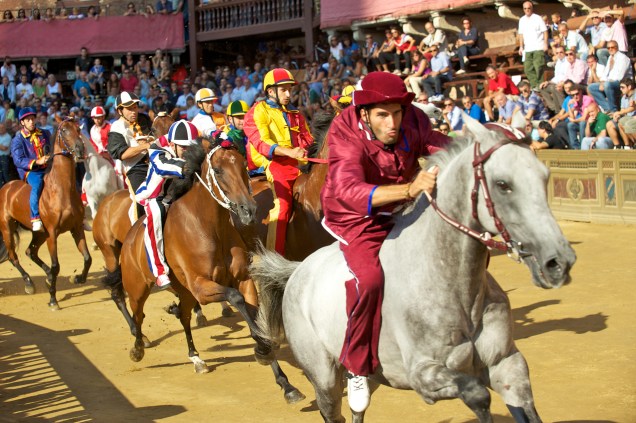
Palio Horses and Fantinos (Jockeys)
THE PALIO OF SIENA – Siena, Tuscany – August 16
One of the most famous horse races in the world and the ONLY one where the horse can win riderless, the Palio of Siena doesn’t need an introduction. The Palio in Siena occurs twice a year, every July 2nd and August 16th in the Campo. The four days leading up to each palio are filled with horse selection, time trials and excitement in the contrade (neighborhoods). I attended the July Palio this year and was not disappointed with the days prior or the event itself. For further information on this race, including the video of my live facebook broadcast, check out my blog post Palio – The Famous Horse Race of Siena.
Piazza del Popolo, Ascoli Piceno, Le Marche, Italy
August is full of food and folklore festival opportunities throughout Italy. In Le Marche region of Italy, Ascoli Piceno is home to two festivals highlighted in today’s blog: Quintana di Ascoli Piceno and Ascoliva. Ascoli Piceno is surrounded on three sides by mountains and sits on a landscape where two rivers meet at the southernmost part of the region. The town’s historical center is built of travertine marble from the nearby mountains.
Mountains over Ascoli Piceno
QUINTANA di ASCOLI PICENO – Medieval Tournament & Fun – August 7, 2016
The Quintana di Ascoli Piceno includes two Quintanas (tournaments) taking place on the 9th of July and concluding tomorrow on August 7th with various other medieval-related events in between. Tomorrow’s final event is preceded by the Saint Emidio historical parade beginning at 2:30 PM with over 1,500 costumed participants from the town’s six districts. The Quintana follows at 3:30 PM when the districts will compete for the coveted palio (victory banner). A knight from each district tries to hit and destroy an effigy of an enemy warrior using a jousting lance.
Flagthrowers in Piazza Arringo, Ascoli Piceno
ASCOLIVA – Stuffed Ascolana Olives Festival – August 10-21, 2016
Ascoli Piceno is the self-proclaimed “world capital of olives.” Over twelve days of tastings and workshops in and around Piazza Arringo you can satisfy your olive cravings and sample 16 other dishes typical of Ascoli Piceno and the region. Olive all’Ascolana are the highlight of this food festival; they are stuffed, large olives that are breaded and deep fried.
Since I am currently in Italy enjoying the festivities surrounding the Palio and attending the event on July 2nd, enjoy this excerpt from my book Food and Folklore: A Year of Italian Festivals (currently available through your local bookshop or on Amazon.com). The Palio is the culmination of a series of historical activities over a 4 day period filled with much more pageantry and history-in-the-making than can be covered in a simple blog post. Enjoy! @paliodisiena
Palio Horses and Fantini (Jockeys)
While many folkloric traditions continue as a draw for both tradition and tourism, the Palio of Siena is by the Senese for the Senese. The Palio is held twice each year, on July 2 and August 16, but on the minds of every resident each day of the year. There are seventeen contrade (districts) and each is a community within a community of extended family with its own leaders, headquarters, flags, colors, museums, churches, patron saints, allies and sworn enemies. The seventeen contrade are named Caterpiller, Conch Shell, Dragon, Elephant, Forest, Giraffe, Noble Goose, Leopard, Owl, Panther, Porcupine, Ram, She Wolf, Snail, Tortoise, Tower, Unicorn and Wave.
Cena Provale Generale – The Prova Generale Dinner with Contrada della Torre last nightEach contrada fields a fantino (jockey) and a horse for the race. Since space is limited and the course dangerous, only ten horses and fantini run each race. The contrade selected to run will always be the seven that did not race the previous Palio and three additional selected through a lottery. They race to win the Palio, the unique, silken banner created for each race. (Note: contrade is the plural for contrada in Italian)
Piazza del Campo – Anticipating the Provale – The test the night before the PalioOne month before each race the lots are drawn for which contrade will race. The week before the race, soil is brought in from the countryside to lay the dirt track over the cobblestones around Piazza del Campo. The main festivities start three days before each Palio when the horses for each contrada are selected; it is not until then that the contrade and fantinos know which horse their jockey will ride. The process looks a lot like bingo and kicks off the next part of the Palio precursor, strategy.
Children from each contrada in the race singing their respective fight songs
Children from each Contrada in the race singing their fight songs before the Prova Generale last night (the second to last test before the race)
After it is known which horse each fantino will ride, the representatives for the contrada begin negotiating with each other. Horses and their jockeys are guarded by several members of the contrada to avoid foul play and contact with other contrade. Participating contrade will even go as far as paying another contrada to defeat its sworn enemy; some will try to bribe the jockeys. The days that follow include trial runs in the piazza, drummers, and flag bearers practicing and parading in the streets. The night before, hundreds of people sit at tables that seem to stretch on for miles in each contrada for dinner. Everyone is wearing their colors and passionately shouting the fight songs of their contrada.
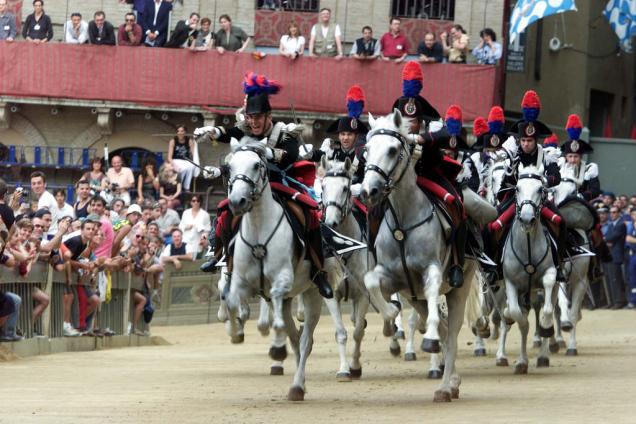
The carabinieri on horse back charge with sabres prior to the Prova Generale
On the day of the race, each horse is taken into the church of its respective contrada, sprinkled with holy water and blessed. About mid-afternoon a procession lasting several hours winds its way through the city and into Piazza del Campo. About 60,000 people are in the Campo waiting for the horse race to begin. The starting lineup is selected, they lineup at the starting line and once there are no false starts, they race to the finish whipping each other and their horses in an effort to gain position. The jockeys ride bareback through the dangerous course, which lasts about ninety seconds. It’s the only horserace in the world where the horse wins the race, whether the rider is still on it or not. In the end, everyone celebrates except the team that comes in second, they turn out their lights and become the quietest corner of the city.
Palio Horses in Action
The August race is the most important but no less anxiety-ridden than the July one and just as exciting for anyone lucky enough to attend. Tickets can be hard to come by so plan well in advance or arrive very early to claim a spot inside the interior (where there are no facilities provided). If you arrive in Italy prior to the July Palio, you should also look into attending Calcio Storico Fiorentino in Florence held about eight days prior.
Jockeys (Fantini) and horses leaving Piazza del Campo this morning after the Provaccia, the final test run, before tonight’s Palio at about 7:20 PM local time (1:20 PM ET)
LIVE
If you are interested in streaming the Palio live, this is a link to Siena TV (cell phone signals appear to be blocked during the events in Piazza del Campo). The race is scheduled to start at 7:20 PM local time (London 6:20 PM, 1:20 PM in New York, 12:20 PM in Chicago, 11:20 AM in Denver & 10:20 AM in Los Angeles). The start time is sometimes delayed due to the heat, the historical processions and the time it takes to line up the horses (quite difficult with no stalls). Siena TV linkSiena TV link
IN THE KNOW
if you are seriously thinking about attending NEXT year in July or August, reserve a room or apartment ASAP if you want to stay within Siena and/or consider a package through an event operator
Ask your host about tickets (the inner circle is free, but seats in stands or in the windows of private homes must be reserved)
If you decide to watch from the inner circle, get there four hours ahead to stake your claim (about 3 PM)
There are no facilities provided at the free inside ring of Piazza del Campo; plan ahead for bathrooms, water and sunscreen since you will be there for several hours
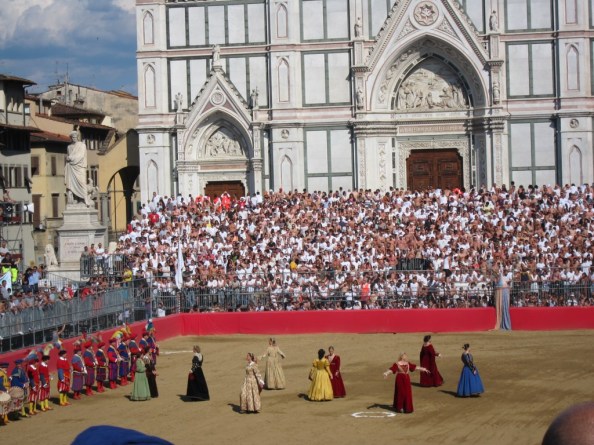
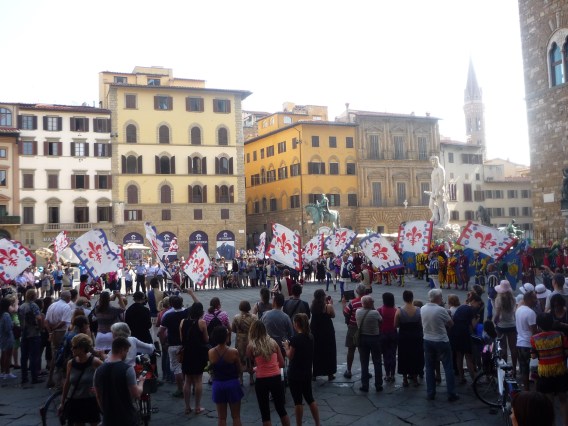
It’s a fun-filled day here in Florence with history, pageantry and spectacle! This morning started with the religious procession honoring St. John the Baptist. Beginning in Piazzetta di Parte Guelfa to the Duomo to pick up additional participants, then to Piazza Signoria by via Caiuroli. Part of the group entered the Palazzo Vecchio to pick up candles while the sbandieratori (flag-throwers) entertained the crowd with their skills outside. The Procession continued, tracing their steps back to the Duomo for the candle ceremony followed by Mass.
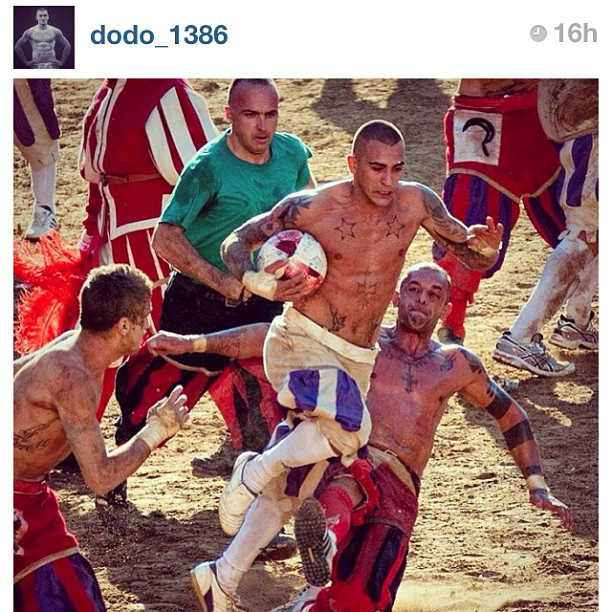
There’s another, larger parade this afternoon starting at 4pm at Piazza Santa Maria Novella and ending at Piazza Santa Croce. This parade includes the Calcio Storico Fiorentino (aka Florentine Football) players and is followed by the final match of 2016 at 5pm. While researching my book, Food and Folklore: A Year of Italian Festivals, the American television shown 60 minutes on CBS featured a clip on this historical and brutal sport (scroll down for a link to the clip). It’s called Calcio, the Italian word for soccer, but is it really? It looks more like a mix of soccer, football, rugby and mixed martial arts slugged out on the sand-filled square of Piazza Santa Croce
Originating in the 16th century, it was once the sport of rich nobles who played every night between Epiphany and Lent. Official rules were drafted and recorded in a Florentine court in 1580 by Giovanni de’ Bardi. Team members from four quartiere (neighborhood) in Florence take this quite seriously. The neighborhoods and their colors are:
Blues (Azzurri) – Santa Croce
Rossi (Reds) – Santa Maria Novella
Whites (Bianchi) – Santo Spirito
Greens (Verdi) – San Giovanni
Twenty seven players on each team are half-clad in historical uniforms for the occasion. Each neighborhood is allowed to recruit players from outside the neighborhood and even outside of Italy. There are two semifinals played two weeks before the final on June 24th of each year, which coincides with St. John the Baptist day. Who plays who in the semifinals is decided Easter weekend when colored balls are drawn to determine the semi-final match ups. This year’s final (tonight) features the blues (azzurri) against the whites (bianchi). Tickets sold out in 10 minutes flat!
Hands and feet can be used, anything goes except sucker punches and ganging up on your opponent; strictly one on one combat – and if you are kicked out – no replacements are allowed, your team plays short of members. A goal (caccia) is scored by hurling the ball over the netting at each end of the sand playing field through a narrow opening guarded by 4 goal tenders. At the end of 50 minutes, the most goals wins! What does the winning team get for their blood, guts and glory? A palio (banner) and a free dinner; in the past it was a Chianina cow. There is no monetary compensation for the winners, only bragging rights for a year. The festivities will conclude this evening at 10 pm with a spectacular fireworks show over the Arno.
A film to be released on September 16, 2016 Lost in Florence (working title was The Tourist), featuring actor Brett Dalton of the TV show Agents of S.H.I.E.L.D. He plays a college football player who joins in on the action of the Calcio Storico Fiorentino and becomes embroiled in both love and love of the sport.
 Brisighella is a beautiful town situated on a hillside about one hour southeast of Bologna in the Emilia-Romagna region of Italy. It hosts many wonderful food and folklore festivals throughout the year and in November there are four food festivals, one every Sunday to enjoy. These celebrations are collectively referred to as Quattro Sagre per Tre Colle (Four Feasts for Three Hills) referencing the hills that are part of the Brisighella landscape.
 NOVEMBER 6 – SAGRA del PORCELLO – Festival of Pork Products
 NOVEMBER 13 – SAGRA della PERA VOLPINA e del FORMAGGIO STAGIONATO – Festival of Volpina Pears and Seasoned Cheese
 NOVEMBER 20 – SAGRA del TARTUFO – Festival of the Truffle
 NOVEMBER 27 – SAGRA dell’ULIVO e dell’OLIO – Festival of Olive and Oil









 BUONCONVENTO, NEARBY & SIGHTSEEING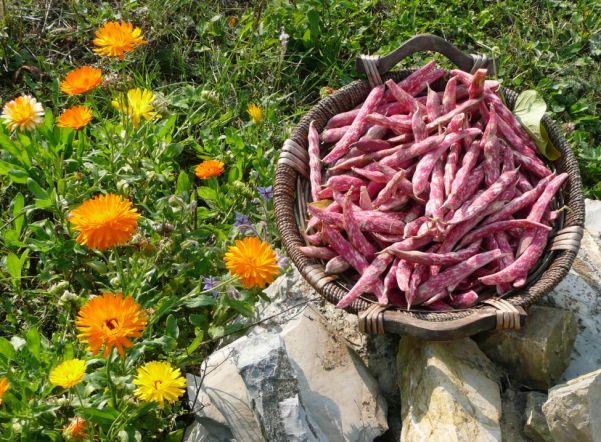



![IMG_0564[1]](https://lisalovestotravel.com/wp-content/uploads/2016/07/img_05641.jpg?w=636)
![IMG_0526[1].JPG](https://lisalovestotravel.com/wp-content/uploads/2016/07/img_05261.jpg?w=636)
![IMG_0528[1]](https://i0.wp.com/lisalovestotravel.com/wp-content/uploads/2016/07/img_05281.jpg?w=208&h=208&crop=1&ssl=1 "IMG_0528[1]")

![IMG_0532[1]](https://i0.wp.com/lisalovestotravel.com/wp-content/uploads/2016/07/img_05321.jpg?w=208&h=208&crop=1&ssl=1 "IMG_0532[1]")


![IMG_0583[1]](https://i0.wp.com/lisalovestotravel.com/wp-content/uploads/2016/07/img_05831.jpg?w=208&h=208&crop=1&ssl=1 "IMG_0583[1]")


 Originating in the 16th century, it was once the sport of rich nobles who played every night between Epiphany and Lent. Official rules were drafted and recorded in a Florentine court in 1580 by Giovanni de’ Bardi. Team members from four quartiere (neighborhood) in Florence take this quite seriously. The neighborhoods and their colors are:
 Twenty seven players on each team are half-clad in historical uniforms for the occasion. Each neighborhood is allowed to recruit players from outside the neighborhood and even outside of Italy. There are two semifinals played two weeks before the final on June 24th of each year, which coincides with St. John the Baptist day. Who plays who in the semifinals is decided Easter weekend when colored balls are drawn to determine the semi-final match ups. This year’s final (tonight) features the blues (azzurri) against the whites (bianchi). Tickets sold out in 10 minutes flat!
 Hands and feet can be used, anything goes except sucker punches and ganging up on your opponent; strictly one on one combat – and if you are kicked out – no replacements are allowed, your team plays short of members. A goal (caccia) is scored by hurling the ball over the netting at each end of the sand playing field through a narrow opening guarded by 4 goal tenders. At the end of 50 minutes, the most goals wins! What does the winning team get for their blood, guts and glory? A palio (banner) and a free dinner; in the past it was a Chianina cow. There is no monetary compensation for the winners, only bragging rights for a year. The festivities will conclude this evening at 10 pm with a spectacular fireworks show over the Arno.

 lisa loves to travel