
Daytime fireworks, pageantry and excitement surround the centuries old Florentine tradition of Scoppio del Carro. If you’re in Italy during “Holy Week” you will encounter Easter-related activities in progress in cities and small towns. Of the many traditions that take place this weekend, the 500-year Florentine Scoppio del Carro is one of the most well-known. “Scoppio del Carro” literally means explosion of the cart. A 30-foot-tall antique cart called a Brindellone, also several hundred years old, is hauled by a team of oxen decorated with garlands of spring flowers. 150 people in 15th century dress escort the cart from Porta al Prato to Piazza del Duomo every Easter morning.

Easter Mass is held inside the Cathedral Santa Maria del Fiore (Florence’s Duomo) and at 10:00 AM a fire is lit using three flints brought back from Jerusalem during the First Crusade. While the ceremony continues inside, the Brindellone is loaded with fireworks and staged outside the door of the cathedral. A wire from the altar inside is connected to the cart and at 11:00 AM the ceremony reaches its crescendo. Gloria in Excelsis Deo is sung, a mechanical dove is lit on fire and then it flies down the wire into the cart, igniting the fireworks. The fireworks display lasts approximately 20 minutes and a successful execution guarantees a good harvest and business in the coming year.

Official Florence Tourism Website – Event Information
https://player.vimeo.com/video/124600802 <p><a href="https://vimeo.com/124600802">Scoppio del Carro</a> from <a href="https://vimeo.com/user35087318">Storm Nylen</a> on <a href="https://vimeo.com">Vimeo</a>.</p>” target=”_blank”>Scoppio del Carro Video
Photo Credits:
Oxen Decorated with Flowers www.to-tuscany.com via Foter.com / CC BY-ND
Exploding of the Cart in Front of Florence’s Duomo moniko moniko via Foter.com / CC BY-SA
Costumed Procession for Scoppio del Carro Erica Schoonmaker via Foter.com / CC BY-ND
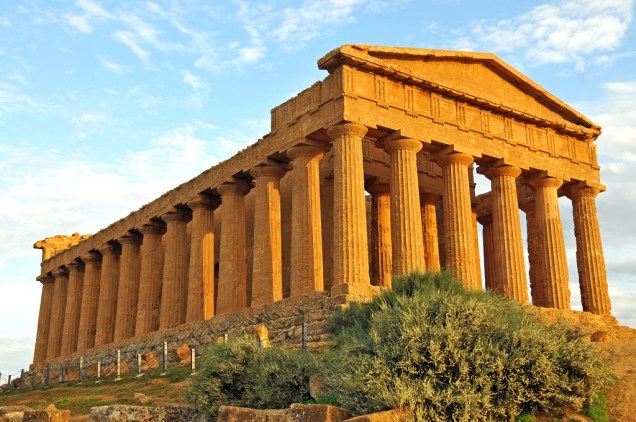 Spring has already sprung in Agrigento, Sicily. Originally founded as a Greek colony in 581 BC and called Akragas, Agrigento has been, at various times, ruled by Byzantines, Romans and Arabs. The Greek presence is perhaps most felt at the Valle dei Tempi, home to five temple ruins that draw visitors from around the globe.


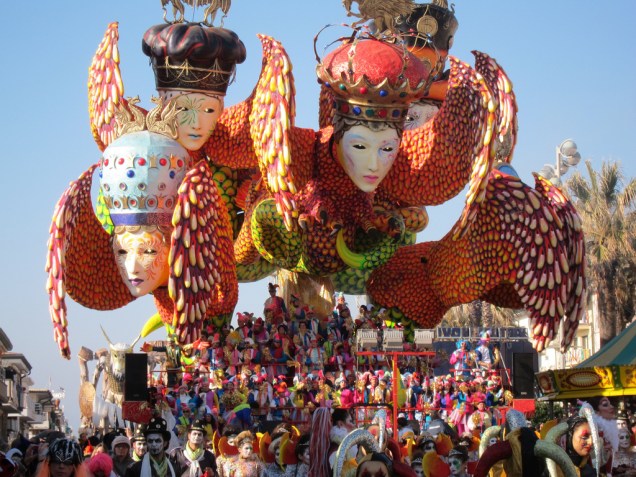 If you didn’t make it to Mardi Gras in New Orleans to celebrate Fat Tuesday, hop over to the Tuscan Coast of Italy for one of four remaining carnival parades. Multiple carnival celebrations take place throughout Italy at this time each year. What makes the 143 year old #CarnevalediViareggio special is its size and artistic pageantry. Over 200,000 spectators attend the month-long series of events showcasing fabulous floats along 3 kilometers of the palm-tree lined promenade by the sea.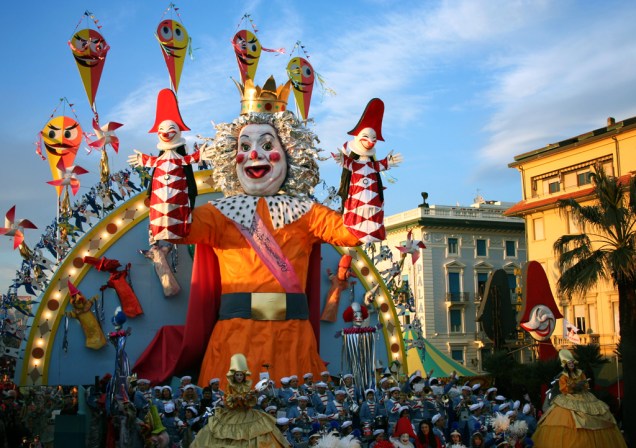


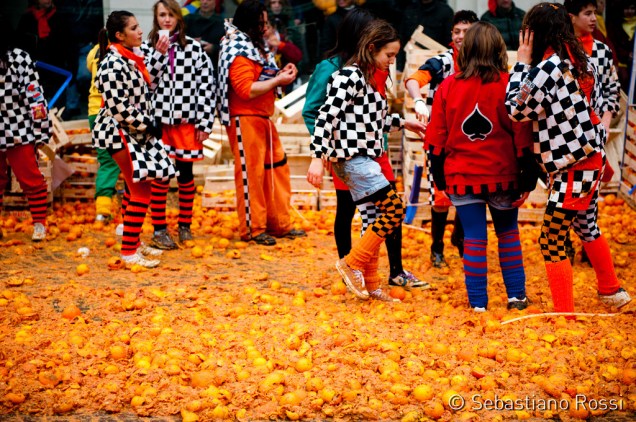


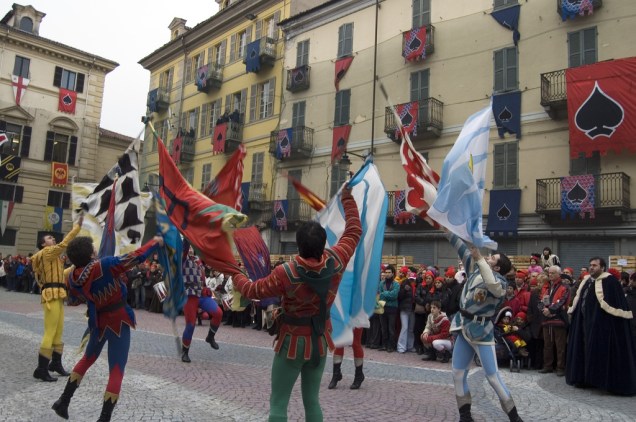
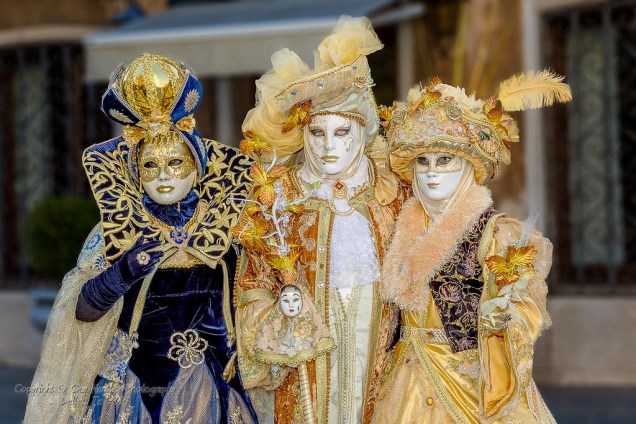
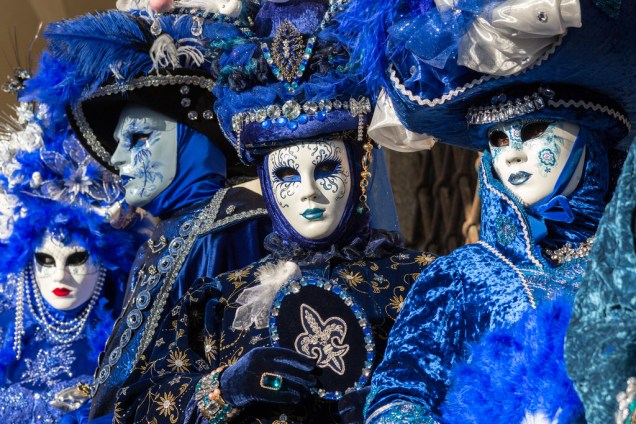 The Venice Carnival festivities begin this weekend. Over a period of two weeks there will be costumed parades, masquerade balls and costume contests. There are more than 50 related events in Venice and nearby providing entertainment, live music and theater. The 2016 Carnival theme is “Creatum -introducing Arts and Traditions”; honoring the craftspeople that have kept traditions alive. The amazing colorful costumes and elaborate masks are a feast for the eyes. Traces of the festivities we see today began as early as 1192. The modern-day Venice Carnival was instituted in 1979, after many periods of stop and start, including being banned by the fascist regime of Mussolini in the 1930s.
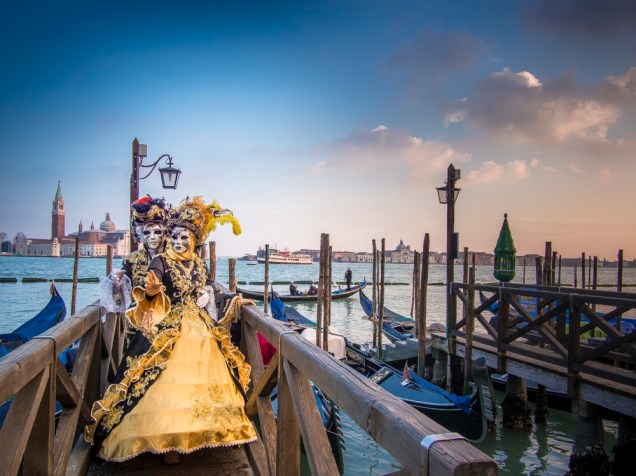 The mask-makers, called “mascherari”, traditionally had their own craftsmen guild and set of laws. One of the main highlights is the beautiful mask contest “la maschera più bella”. Held the last weekend of the carnival celebrations, entrants are judged by a panel of international fashion and costume designers.


 lisa loves to travel